Sewer line issues are some of the most serious plumbing problems homeowners can face. Problems like clogs and cracks often start small, but they can escalate quickly and put your well-being at risk.
While sewer issues can be hard to detect in the early stages, recognizing signs of trouble can help you prevent catastrophe and disruptive, expensive repairs down the road.
Below, we’ll discuss how to spot common sewer line issues, and the steps you should take to correct them.
 Quick Takeaways
- Sewer line issues often affect multiple drains at once.
- Common signs include backups, slow drains, and foul odors.
- Tree roots and blockages are leading causes of sewer damage.
- Ignoring sewer problems can lead to destruction of property and health risks.
- Early detection can prevent expensive repairs.
- Professional sewer line repair is necessary to fix problems in the long-term.
What Are Sewer Line Issues?
Sewer line issues occur when the main wastewater pipe gets blocked, damaged, or collapsed. These problems can cause water and sewage backups, clogs, slow drains, foul odors, and even sewage leaks. Because all drains connect to the main sewer line, a single issue can affect your entire plumbing system.
Your main sewer line acts as a central conduit that connects all your plumbing fixtures. It collects wastewater from smaller branch lines that drain from your sinks, tubs, showers, and toilets and carries it out to your septic tank or municipal sewer system.
If you have a problem with your main sewer line, it can affect your whole home, not just one drain. A blocked or damaged sewer line can leave wastewater with nowhere to go but back into your pipes. As the wastewater is distributed among your branch lines, it will cause systemic issues, rather than isolated, localized drain problems.
Common Signs of Sewer Line Issues
If you notice any of the signs listed below, you could have a serious problem with your sewer line:
- Multiple drains clogging at once
- Water backing up into tubs or showers
- Gurgling sounds from drains or toilets
- Sewage odors inside or outside the home
- Wet or sunken areas in the yard
- Slow drains throughout the house
Recognizing these issues can help you take action to find the source of the issue and stop it from getting worse.
What These Sewer Line Symptoms Usually Mean
Symptoms of sewer line issues usually have specific causes, so if you see signs of a problem, you can trace it to its source. If you suspect you have a problem with your sewer, look out for these pairings:
- Multiple drain backups: If your sinks, tubs, showers, and toilets back up at the same time or drain slowly, your main sewer line may be blocked.
- Gurgling sounds: When a clog traps air in a sewer pipe, it can cause your toilets or drain to make gurgling noises.
- Sewage odors: A strong lingering scent of waste indicates you may have a broken or leaking sewer pipe, a faulty P-trap, or a damaged vent pipe.
- Wet, soggy, or bright green grass: If you notice soft, spongy damp spots in your yard covered by vivid green grass, you may have a broken or leaking sewer pipe.
- Frequent clogs: If wastewater drains through your pipes slowly, you could have a buildup of debris or pipe damage.
What Causes Sewer Line Issues?
If you’re having problems with your sewer line, you could have issues with:
1. Tree Root Intrusion
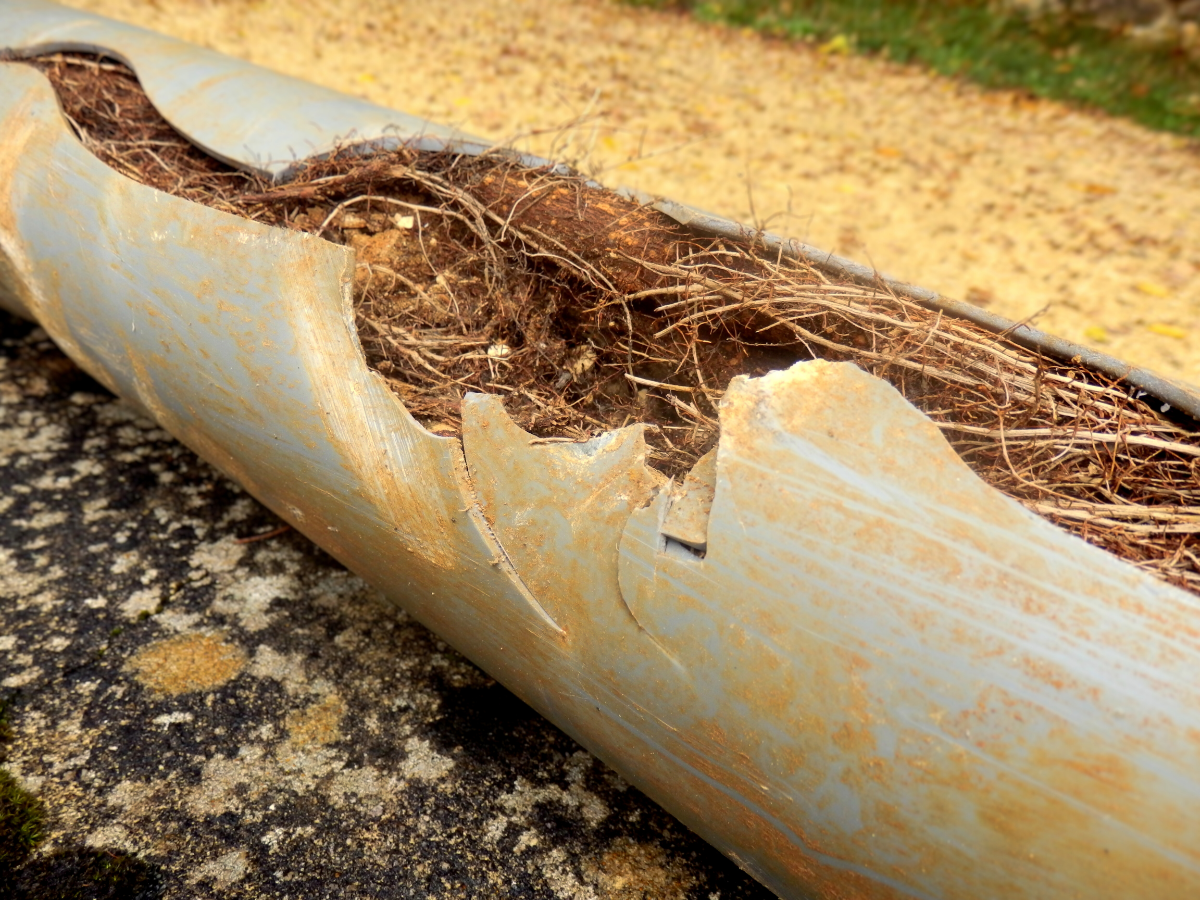
As tree roots grow, they seek out water underground. When the roots encounter small pipe cracks, they will try to push inside to gather moisture and nutrients. Without intervention, they will continue to grow and expand, which can eventually block and/or break the pipe.
2. Grease and Debris Buildup
Your sewer pipes are built to handle the flow of water and natural waste. These materials break down as they move along the conduit, while oils, grease, manufactured wipes, and heavy paper products can accumulate and stick together.
If enough foreign materials collect in your pipes, they will gradually slow down the movement of waste and cause major clogs. As a result, you may find yourself dealing with slow drains and backups.
3. Pipe Corrosion or Deterioration
Aging sewer pipes made from materials like clay or cast iron can deteriorate or corrode over time and eventually crack or collapse. When older pipes get damaged and leak, wastewater can seep into the ground and harm your health or property. Damaged pipes can also get filled with sediment, which can reduce their capacity and slow down the flow of water.
4. Bellied or Sagging Pipes
When your sewer pipe sags or “bellies,” it means that part of the pipe is sinking. This encourages wastewater to sit in the depression instead of flowing through the pipe. With time, your pipe can get clogged, and sewage can back up into your plumbing system.
5. Cracked or Collapsed Sewer Lines
Did you know that the ground shifts naturally as the seasons change? Movement in the soil and settling foundations can put pressure and weight on your sewer lines. If your main sewer pipe or branch lines experience enough stress, they can crack or collapse.
What to Do When You Notice Sewer Line Problems
 If you notice problems with your sewer line, follow these steps immediately to minimize damage until help arrives:
1. Stop Using Water and Shut Off the Supply Valve
If you notice water or sewage backing up into your drains, stop using your faucets, shower, and toilet, then find the main water valve and shut it off. This will keep additional water from flowing into your sewer line and making the problem worse.
2. Avoid Flushing Your Toilets
If your sewer line is clogged or damaged, avoid flushing your toilets until the issue is fixed. If your toilets are running, they could leak, flood your bathroom, and cause water damage.
3. Check if Multiple Fixtures are Affected
The fastest way to verify that you have a sewer line problem is to see if several fixtures or drains in your home are having problems. If you have slow drains or backups in more than one room, the issue is probably systemic.
4. Find Your Sewer Cleanout
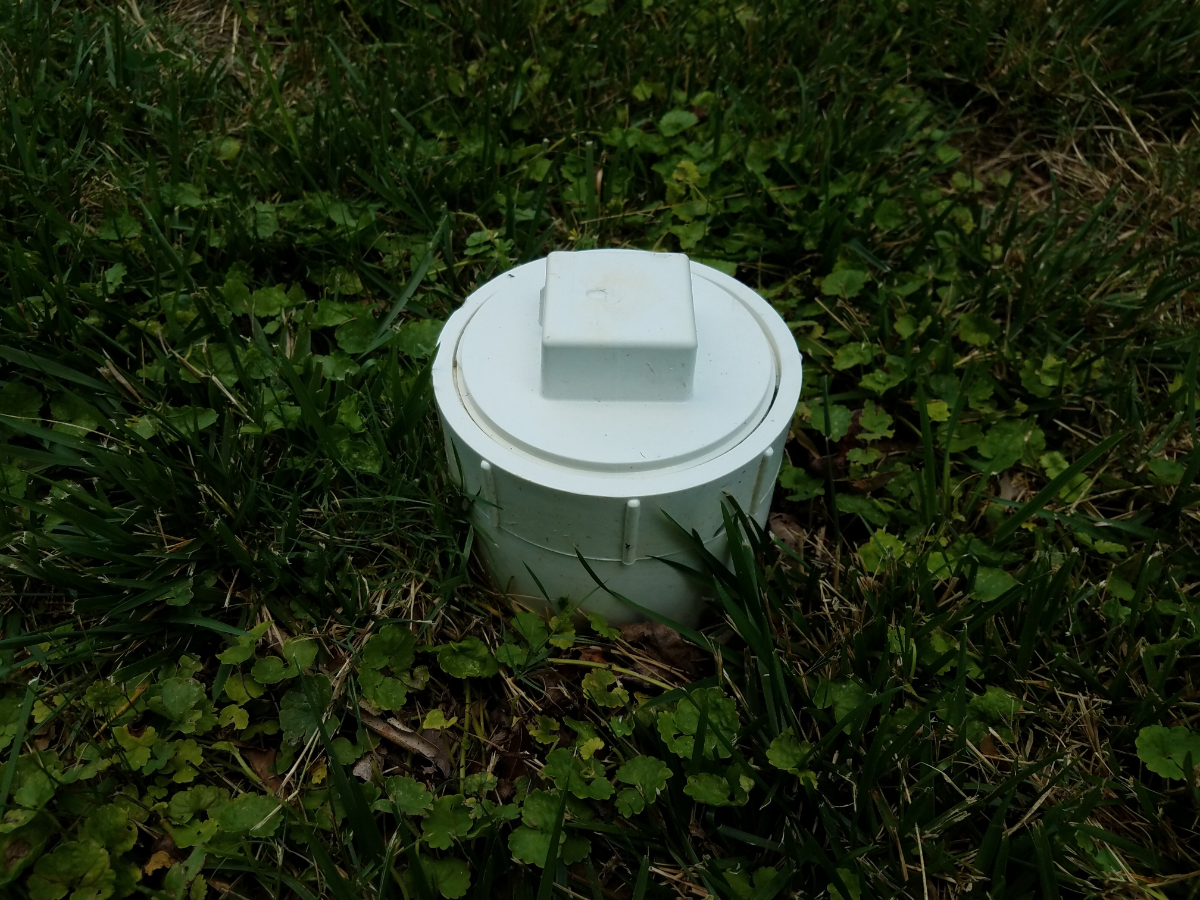
A sewer cleanout is a capped pipe that provides direct access to the main sewer line. It’s usually located near your foundation or situated in your yard. When plumbers access the cleanout, they can inspect and service your sewer line without digging up your property.
Call a Professional for Inspection
When you have an issue with your sewer line, you should have a plumber diagnose and address the issue right away. Problems with your sewer line can escalate quickly. A professional assessment will ensure you can get the service and repairs you need to resolve the issue with as little disruption as possible.
What Happens If You Ignore Sewer Line Issues?
When you consider threats to your property and health that can have horrible consequences when they’re not addressed quickly, sewer line issues are at the top of the list. If you neglect a damaged sewer line, sewage could back up into your home and destroy your foundation, walls, flooring, and cabinets. As a result, your house can become unsanitary and unlivable.
Sewer line issues can also cause leaks and moisture infiltration that attract pests and encourage mold and bacteria to grow. If your water gets contaminated with pathogens, you could contract a severe stomach bug or other dangerous illnesses.
Furthermore, the longer you wait to repair your sewer pipe, the greater the chance it will fail completely and require a full replacement.
How Professionals Fix Sewer Line Issues
 Sewer line repair is not a DIY job; it requires professional tools and training to achieve a lasting solution. When you hire a professional plumber to fix your sewer line, there are several steps they will take to complete the work. Accurately diagnosing your sewer line issues is key to finding an effective solution that will prevent the issue from recurring.
As soon as your plumber arrives and verifies that your sewer line is not an immediate threat, they will start addressing your issues. First, they’ll perform a video camera inspection by feeding a specially-equipped cable into your sewer pipe, then reviewing the footage to find leaks, clogs, and other problems.
Once they have identified the issue, they may move on to snaking the pipe to remove blockages or perform a hydro jetting treatment to remove buildup. If tree roots are a problem, your plumbers may use augers to cut through them so they can flush them away. After assessing the condition of your sewer line, your contractors can make necessary repairs or fully replace your pipe as needed.
Sewer Line Repair vs Replacement: What’s the Difference?
If you’re wondering whether you’ll need to repair or replace a faulty sewer line, it usually depends on the extent of the damage. When you need targeted solutions for problems like cracks, small leaks, or other minor damage to your sewer line, pipe repair is the answer. Today, most plumbers can seal small sections of your pipes using minimally invasive methods like trenchless pipe lining.
If your sewer line issues are severe and your pipes are collapsing, your plumber will perform a sewer line replacement.
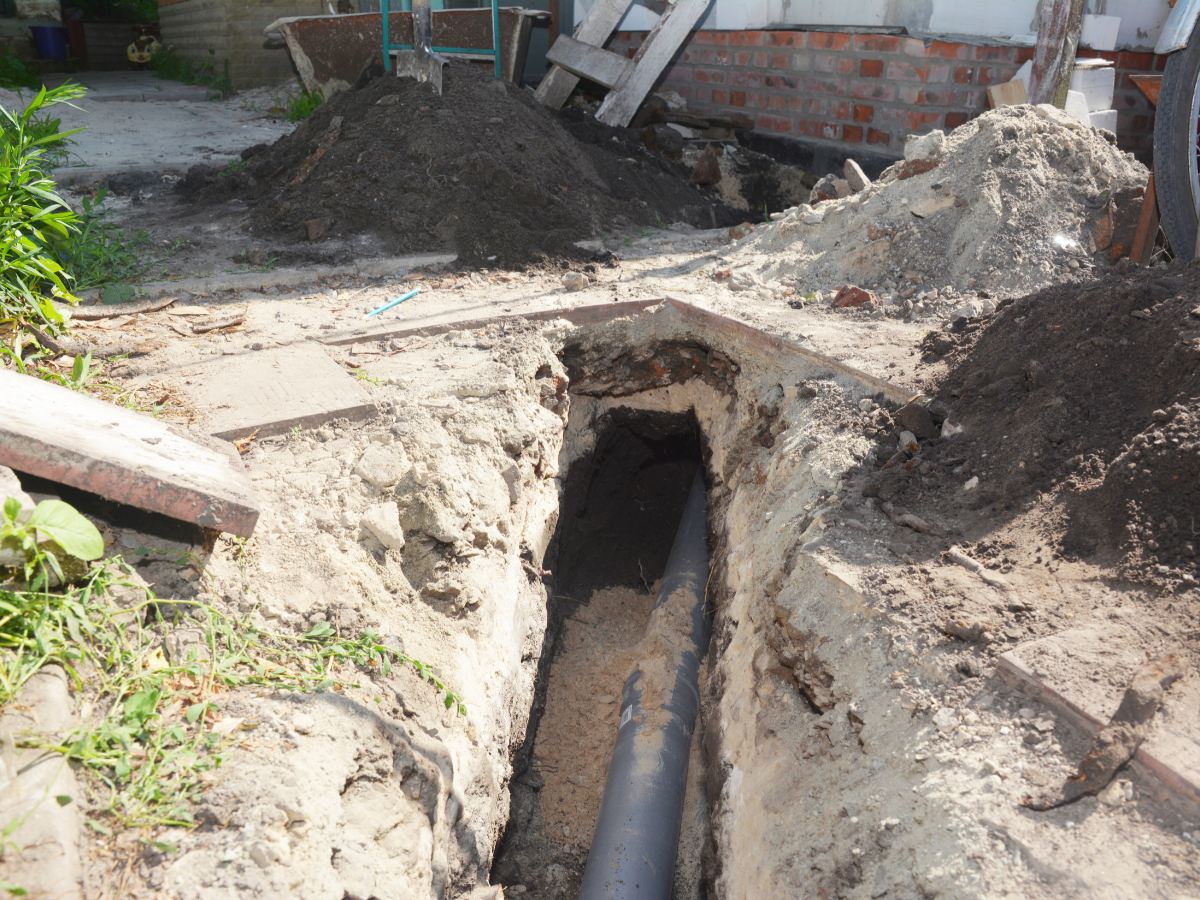
Depending on the situation, your contractor may excavate your old pipes or use trenchless methods like pipe bursting to install new PVC pipes that will ensure wastewater will flow freely.
How to Prevent Sewer Line Problems
Sewer line damage is expensive, disruptive, and downright unpleasant, but being proactive can help prevent serious problems from happening. Taking these preventive measures can help avoid sewer line issues:
- Avoid flushing wipes and grease down your drain; this will prevent clogs from forming.
- Schedule routine inspections and drain cleaning to find and deal with minor issues before they become serious.
- Monitor your sewer line for early warning signs of trouble.
- Be sure to maintain older plumbing systems, check pipes, joints, and fixtures for damage and corrosion, and treat your system with care.
- Consider inspections for aging homes to detect leaks and weak or outdated pipes and fixtures.
Frequently Asked Questions
At Benjamin Franklin Plumbing, we’re here to make your life easier by answering some of your most frequently asked questions about sewer lines.
What is the most common cause of sewer line issues?
Tree root intrusion is the most common cause of sewer line problems. When tree roots seek out water in the soil, they often find it in your sewer line. As the roots reach through cracks in your sewer line, they grow and expand, blocking your pipe and potentially causing it to crack. Corrosion, clogs, and shifting soil are other common causes of sewer line damage.
How do I know if my main sewer line is clogged?
If you see water or sewage backing up through several drains in your home, there’s a good chance your sewer line is clogged. Multiple slow drains, foul odors, and gurgling toilets are also signs your main line may be blocked.
Can sewer line problems fix themselves?
Sewer line problems do not go away on their own; they require professional attention. Cracked and collapsed pipes, intruding tree roots, corrosion, clogs, and leaks will worsen if they’re not addressed. Neglecting these issues can lead to catastrophic damage to your plumbing system and property and put your health at risk.
How long do sewer lines typically last?
PVC and ABS sewer lines typically last 50 years or more. The lifespan of a sewer line depends on its composition and environment.
Get Fast, Reliable Sewer Line Repair in Fort Myers, FL
 When you need sewer repair or replacement, don’t wait! Addressing the problem quickly will save you money and hassle in the future. Fortunately, the professionals at Fort Myers Benjamin Franklin Plumbing are here to diagnose your issues quickly and make lasting repairs.
When you need plumbing and sewer line services in Fort Myers, FL, and its surrounding areas, call Benjamin Franklin Plumbing. Our punctual plumbers are here to fix your pipes and brighten your day!