 Studies show that roughly 20% of homeowners frequently deal with a clogged toilet, an estimated 15% experience backed-up shower or bathtub drains, and around 9% find themselves having to contend with a clogged sink.
In some cases, faulty vent stacks are the root cause of these and other bathroom plumbing problems.
What Are Vent Stacks?
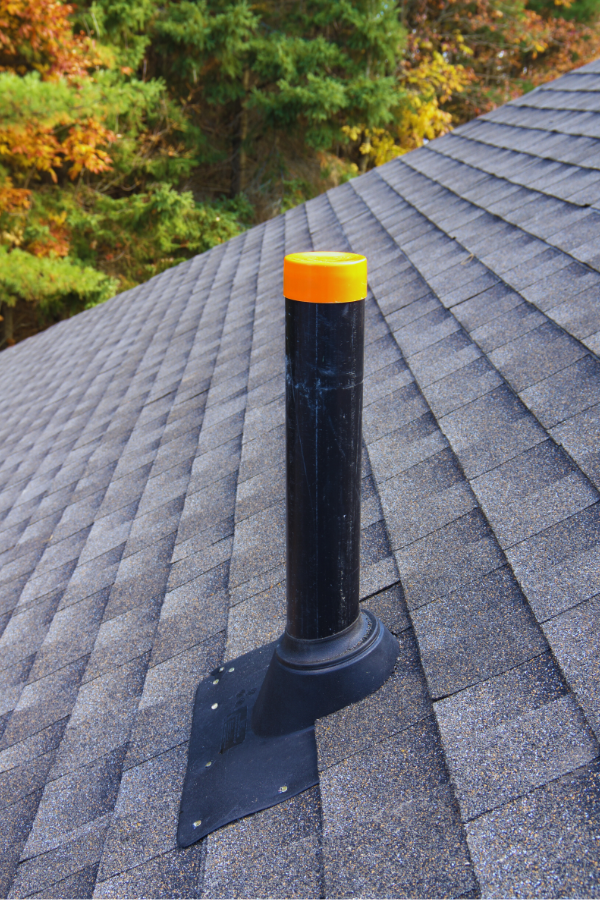
Vent stacks are vertical pipes that run through a roof and extend to the outside of a home. Water does not move through them.
They are responsible for supplying air to a home’s drainage system to equalize pressure, protect P-trap water seals, and prevent harmful gases, such as hydrogen sulfide and methane, from entering a home’s living space.
What Are P-Traps?
P-traps are U-shaped pipes that hold a small amount of water, which helps seal off gases that would otherwise enter a home.
They also work in tandem with vent stacks to catch debris and maintain neutral air pressure throughout the drainage system.
Does a Shower Need a Vent Stack?
According to Section 901.2.1 and 901.2 of the International Plumbing Code (IPC), every fixture in a home must have a vent that allows air into its drainage system to protect P-traps from being siphoned out. Shower drains are no exception.
How Does a Shower Vent Stack Work?
The way vent stacks work in a shower drain is not too dissimilar from how they work in any other drain in a home. They run parallel to the shower’s drain lines, along with a specific venting method, to help balance air pressure, allow sewer gas to escape the home, and facilitate the flow of fresh air into the entire drainage system.
What Are the Code Requirements for Venting Shower Drains in Florida Homes?
Shower drain vents in Florida homes must comply with the International Plumbing Code (IPC) and the Florida Building Code (FBC) requirements, both of which state that vents for shower drains must meet the following:
- Maximum trap-to-vent distance
- Established height, distance, and connection standards
- Adherence to the rules established for combining vents
- Minimum slope requirements
According to IBC and FBC guidelines, plumbers must also consider fixture arrangement, cost-to-performance, and roof access before deciding how to appropriately and effectively vent the shower drain in a home’s bathroom.
Shower Venting Methods Allowed by Code
Along with traditional vent stacks, other venting methods are allowed by code. Some of these include the following:
Air admittance valve (AAV) – This venting method uses one-way mechanical vents to allow air into a plumbing drainage system. Plumbers might recommend AAVs when a traditional, open-air vent connection to a home’s roof is too expensive, extremely difficult to install, or simply impractical.
Wet venting – This venting method allows air to move through a pipe alongside wastewater, which not only balances atmospheric pressure but also prevents the small amount of water inside P-traps from getting vacuumed or siphoned out.
Auxiliary venting – This venting method is a secondary air circulation system used to supplement primary ventilation. As the name might imply, it assists in providing fresh air, removing pollutants, regulating temperature, ensuring safety, and more when the primary venting method is not sufficient.
Signs of a Shower Vent Stack Problem or an Unvented or Poorly Vented Shower
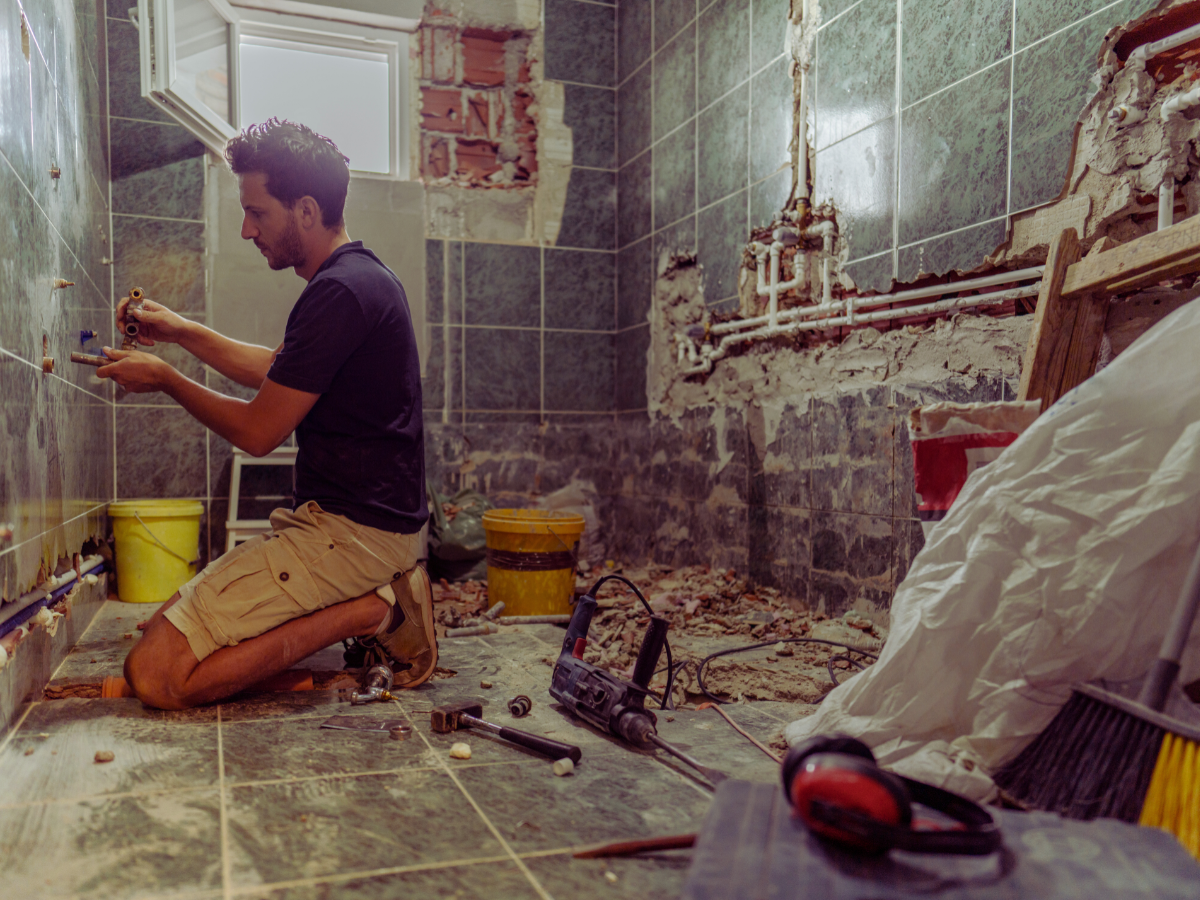 Some of the most common signs of a failed or failing shower vent stack or an unvented or poorly vented shower include the following:
- Frequent clogs
- Foul odors
- Slow drainage
- Backups in nearby fixtures
- Pipe corrosion
- Pressure issues that affect multiple fixtures
- Gurgling noises
- A bubbling toilet
How Do Plumbers Install a Shower Vent Stack?
To install a shower vent stack, a plumber will run 2-inch PVC or ABS pipes alongside a shower drain, connect them using upside-down sanitary tees, and ensure they have a slope measuring at least 1/4″ per foot to prevent clogs.
From there, they will extend the pipes through the roof and place a vent cap on it to prevent leaves, debris, and water from getting inside. Before any of this gets underway, however, most plumbers will do the following:
- Check roof penetration and AAV suitability if necessary
- Perform pressure tests
- Evaluate drainage layout
- Measure trap-to-vent distance
- Review venting methods
- Size and determine how to best route vent pipes
Shower Vent Stack FAQs
Does every shower need its own vent?
No, not every shower needs its own separate, dedicated vent stack.
Can a Shower Drain Share a Vent Stack With a Toilet or Sink?
Yes, shower drains can share a vent stack with a toilet or sink, but they must be shared using wet venting or dry venting techniques to prevent clogs and other plumbing issues.
Can a shower drain without a vent stack?
No, Vent stacks supply air drainage pipes with air, which helps equalize pressure and prevent negative pressure from draining water from P-trap seals. Both of these are a must for a shower to drain effectively and efficiently.
How close does a vent have to be to a shower drain?
For the average 2-inch drain pipe, the vent opening should be within 5 to 8 feet of the trap weir, according to most Florida plumbers. For reference, trap weir refers to the highest point of a P-trap’s curve.
Can I add a vent without opening the wall?
Yes, if plumbing codes allow AAV installation, it is possible to add a vent without opening walls in a home.
Is an Air Admittance Valve a Legal Substitute for a Vent Stack?
It depends on the plumbing codes in a given jurisdiction.
Do walk-in showers require special venting?
No, venting requirements for a walk-in shower are the same as those for a standard shower. The diameter of the shower’s drainpipe and P-trap in a shower drain determines venting requirements, not the shower enclosure.
Hire a Professional Plumber in Fort Myers Today
 To summarize, bathroom plumbing issues, including clogged and slow shower drains, are often caused by faulty vent stacks, which adversely affect P-traps.
If you notice any of the telltale signs of a shower vent stack problem, consider scheduling a consultation with one of our Fort Myers Benjamin Franklin Plumbing experts today.