Benjamin Franklin

Fort Myers, FL

  • Home
  • Services
    • Drain Clearing
      Drain Unclogging
      Drain Cleaning
      Emergency Plumbing
      Faucet Installation
      Faucet Repair
      Garbage Disposals
      Garbage Disposal Repair
      House Repiping
    • Hydro-Jetting
      Leak Detection
      Plumbing Repairs
      Sewer Line Repair
      Sewer Line Replacement
      Shower Installation
      Shower Repair
      Sump Pumps
      Tankless Water Heaters
    • Toilet Installation
      Toilet Repair
      Water Filtration
      Water Heater Installation
      Water Heater Repair
      Water Line Repair
      Water Line Replacement
      Water Softeners
      Well Pump Repair
  • Service Areas
  • Specials
  • About
  • (239) 376-0892
  • Book Now

Can my pipes be repaired or do I need to replace?

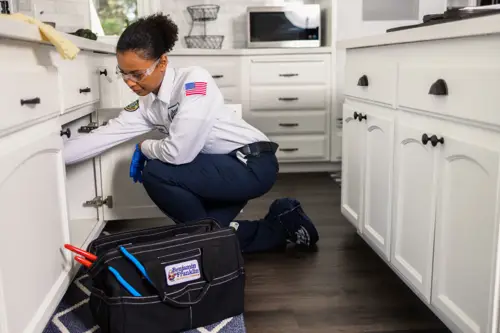
Benjamin Franklin Plumbing Tech, Layla, working under a sink in a home in Fort MyersHaving a problem with your pipes can be frustrating, especially as you may not know whether it’s better to repair or replace them. Your decision will depend on several factors, such as the severity of the damage and the age of your plumbing. This article takes a look at the benefits of repairing your pipes versus replacing them and how to decide what action to take.

Signs You Need Pipe Repair Services

The sooner you recognize you need drain pipe repair services, the better as this can save you from costly repairs and extensive damage. Here are some signs to look out for:

Slow Drains

If your water is taking longer than usual to drain from your sinks, shower, or tub, you may have an obstruction within your pipes.

Clogs

Your pipes may continue to clog even after you use a plunger or over-the-counter solution. Persistent clogs typically mean you have larger issues within your drainage system.

Foul Smells

Foul smells coming from your drains usually mean there is trapped food waste or debris in your pipes.

Water Backups

If you notice water backing up into your tub, shower, toilet, or sinks, there is something wrong with your pipes. This is a serious issue, and you should contact a plumber immediately.

Wet Spots or Mold Growth

Any wet spots, puddles, or mold growth on your walls or around your drains means you have a leak. To prevent structural damage to your property, contact a plumber to inspect your pipes.

The Benefits of Getting Pipe Repair Services

Scheduling an appointment with a plumber the moment you notice a small issue with your pipes has many advantages. Here is why quick intervention is a smart move:

Prevents Costly Repairs

When plumbers detect and repair pipe issues early, they can prevent minor issues from becoming major, expensive repairs.

Improves the Flow of Your Water

Removing any debris or clogs from your pipes can ensure you get optimal water flow throughout your system. You’ll experience fast drainage in your shower, tub, and all your sinks.

Improves Your Home’s Hygiene

Clearing out the debris from your pipes eliminates bad odors and reduces the risk of having a sewage backup in your pipes.

Protects the Structure of Your Home

Ignoring leaks can result in water damage to your home’s walls and floors. By repairing leaks as soon as you notice them, you’ll be preserving your home’s structural integrity.

Extends the Lifespan of Your Pipes

Professional repairs can extend the lifespan of your pipes. When plumbers fix issues due to blockages, leaks, or even corrosion, they can help you avoid having to replace your pipes earlier.

Ensures Safety

By fixing minor issues quickly, plumbers can prevent major accidents, such as your pipes bursting.

Signs You Need Pipe Replacement Services

There are signs you need to replace your pipes to maintain your home’s plumbing system. These signs include:

Multiple Leaks

Although plumbers can repair a single leak, multiple leaks that keep reoccurring often indicate that your pipes are deteriorating or have reached the end of their lifespan.

Discolored Water

If you notice rust-colored water, your pipes may be corroded. Not only does this affect the quality of your water, but it could also mean your pipes have rusted. If you have corroded pipes, replace them as soon as possible.

Noisy Pipes

Unusual noises, such as banging or rattling, often mean your pipes are damaged or are no longer functioning properly.

Visible Damage

Visible damage can include rust or cracking. If you see this kind of damage, it’s time to replace your pipes, even if they seem to be working just fine.

Pipes Are Old

Pipes don’t last forever. Pipes made from brass, copper, cast iron, and galvanized steel can last 70-100 years while PVC pipes can last up to 100 years. Find out when your pipes were installed or have a plumber inspect them. It may be time to replace them if they have reached the end of their lifespan.

The Benefits of Replacing Your Pipes

Replacing your plumbing system is an investment, and it offers plenty of benefits.

Improved Efficiency

When you replace old pipes with new ones, you’ll notice better water flow and fewer repair issues. This can help reduce your energy bills.

Better Water Quality

Pipes that are old and corroded can leach bacteria and contaminants into your water supply, resulting in unsafe water. Replacing your pipes ensures clean, healthy water.

Reduces the Risk of Major Accidents

Old, damaged pipes are more likely to burst suddenly, causing significant water damage. Once you replace your old pipes, you’re less likely to experience a major accident with your pipes.

Increases the Value of Your Home

Replacing your pipes adds value to your property, which can be helpful if you plan to sell your home in the future.

New Pipes Meet Current Codes

Building codes and standards can change over time. By replacing your plumbing system, you can be sure that your pipes meet all the current building codes. Older pipes may be a safety and health risk.

Lower Maintenance Costs

While replacing your pipes is a significant investment, your new pipes will require fewer repairs. This results in lower maintenance costs over time.

Is a Repair or a Replacement Better for Your Needs?

Even after learning about the signs and benefits of a repair or a replacement, it can be a difficult choice. Each situation is different, and the best solution is to consult with a professional plumber. However, if you have a minor leak or clog, a repair may be the best option. On the other hand, if your plumbing system is old, constantly suffers from leaks, and uses outdated materials, you should replace your pipes.

Ultimately, whether you choose to replace or repair your pipes, being proactive about maintenance and inspections will ensure the integrity of your plumbing system.
Filed Under: Blog

Why does soft water feel slimy in the shower?

Closeup Image of Diego, a Benjamin Franklin Plumbing Tech, in a kitchen at a home in Fort Myers FLYou’ve just installed your water softener in Fort Myers, FL, and are excited to take a shower without the dryness and irritation of hard water. Although soft water has plenty of benefits, such as reduced scale build-up and less skin irritation, many homeowners experience a surprising side effect: a slimy feeling in the shower. If you’re wondering why soft water feels slimy, read on to discover the answer and some potential remedies for the problem.

What Makes Soft Water Feel Slimy?

Water softeners work through a process called ion exchange to remove the hard ions and replace them with soft ones, which are mostly sodium. Soft sodium ions react with the ingredients in your soap, making it harder to dissolve and rinse away. Water softeners can give you a better lather, but they can also make it harder to remove soap from your skin. Because it takes more effort to remove the soap, many people experience a slimy feeling when they bathe.

Understanding Hard Water’s Texture

The term “hard water” refers to the feeling that mineral-rich water leaves behind. Signs of hard water include dry skin and hair, thin and brittle nails, and noticeable spots and residue left on dishes. Although no direct evidence proves hard water is dangerous to your health, research suggests it could have risks such as increased cardiovascular problems and reproductive issues.

Plus, living with hard water is frustrating to deal with. If you dye your hair, you’ll likely find the color rinses away much sooner. And no matter what type of shampoo and conditioner you use, your hair always feels dry after a shower.

Hard water has varying degrees of magnesium and calcium sulfates. They ultimately leave skin, hair, nails, and fabrics feeling extremely dry. You may also find that shampoo, body wash, and soap don’t lather well in hard water. This is because the minerals in hard water react with the fatty acids in soaps, forming a water-insoluble solution that doesn’t lather or dissolve.

How to Fix Slimy Soft Water

There are three methods you can try to eliminate the slimy feeling in the shower when using a water softener.

1. Reduce the Amount of Soap You Use

People who live with hard water get into the habit of using a lot more soap because it generally doesn’t lather well when there is such a high mineral count. This can lead to overusing soap when you have soft water and creating far more suds than you need. It also leads to additional soap scum, which can make your tub/shower feel even more slippery and slimy whenever you bathe. Try using a smaller amount of soap to see if it reduces the slipperiness.

2. Try a Salt-Free Softener

You might want to look into water softeners that don’t use sodium during the ion exchange process to reduce the slippery feel. The sodium ions in the softened water can make it harder to rinse off soap, ultimately leaving you with a slimy residue. A salt-free water softener could be the solution.

3. Try Different Soaps

Some soap products produce a heavy lather that’s hard to rinse. Others have more fat in them that can produce a slimy effect. Test different products to see if they rinse better.

Conclusion

The reaction of sodium and fatty acids in soaps ultimately leads to a slippery feeling when you shower. Bathing with soft water can leave you with softer skin and hair, but it can also make it harder to thoroughly rinse your body. This could lead to clogged pores and irritation as well. Finding the right water softener and choosing the right products for your soft water is the best way to resolve the issue.

For more information on water softeners in Fort Meyers, FL, contact the experts at Benjamin Franklin Plumbing today.

Filed Under: Blog

Is the water in Florida hard or soft?

Benjamin Franklin Plumbing Tech, Diego, Speaking with homeowners at their home in Fort MyersIf you spend time in Florida and notice that the water has a distinctive taste, you may be drinking hard water. This type of water has a high concentration of dissolved calcium and magnesium, and it’s different from “soft water,” which has a higher concentration of minerals. Hard water can dry out your skin, make soap work less well, and cause mineral deposits to build up in your plumbing, so many people invest in water treatment equipment to mitigate its effects. Knowing more about the water quality in your area can help you decide if treating your water at home is a smart move.

Florida Water Quality

Florida’s water quality can vary from hard to very hard, depending on your location. The karst landscape hosts a tunneled, porous limestone layer known as the Floridan Aquifer System that lies several feet below ground. The cavities of this reservoir hold countless gallons of fresh water that collects minerals from the surrounding rock as it flows, making the water hard. The U.S. Geological Survey (USGS) reports that most of Florida’s ground contains up to 180 milligrams of hard minerals per liter. This accounts for the higher-than-average concentration of calcium in the water and its high mineral content overall.

Water Hardness in Florida by Location

According to a USGS table of water hardness levels, the average water hardness in Florida is 216 parts per million (ppm) of mineral content. Water sourced directly from the Floridan aquifer tends to be very hard, often exceeding 180 ppm. Other parts of the state, including Florida’s northern region, may only have moderately hard water. Well water in northwestern and central Florida tends to have a mineral content under 180 ppm. If you visit Gainesville, Tallahassee, or Orlando, your water should be moderately hard, with a mineral content between 126 and 140 ppm.

Florida’s water tends to be harder along the coasts and in the southern part of the state. Tampa has measured hardness levels at 186 ppm, while Miami, Jacksonville, and West Palm Beach have very hard to extremely hard water at 219 ppm, 260 ppm, and 317 ppm, respectively.

Effects of Hard Water on Plumbing, Machinery, and Appliances

Although the dissolved minerals in hard water are generally invisible to the naked eye, they can still have noticeable and damaging effects on plumbing, machinery, and appliances. Many residents, businesses, and municipal organizations find that they must continually fight scale buildup in their plumbing and mechanical systems. Left unchecked, these systems will break down more often and need more frequent repair and replacement, which can increase costs and waste. In particular, the scale buildup from hard water can significantly shorten the lifespan of air conditioners, refrigerators, ice machines, and pool components. When hard water scale collects in pipes, it can slow down drains and cause leaks and corrosion.

Effects of Hard Water on Your Body and Belongings

Many people find that hard water can cause their skin to feel dry and easily irritated. People who suffer from dermatitis, atopic eczema, and acne may be especially susceptible to its effects. Hard water can also be rough on the hair and scalp, leading to complaints of frizziness, breakage, split ends, and dandruff. It can make your clothes look dull, cause them to wear out faster, and leave spots on your glasses, dishes, and silverware.

Treating Hard Water in Florida

The first step to dealing with hard water in Florida is learning where your water comes from. The state government employs five regional authorities to control its water management districts, which are assigned to Northwest Florida, Southwest Florida, South Florida, the Suwannee River region, and the St. Johns River region. If you know your region, you can do research online or call your local authority to learn more about water hardness.

Municipal water treatment can affect its hardness levels, so if you want to discover how hard your water is at home, it’s a good idea to have your water supply tested. Water testing is fairly inexpensive, and the results can help you decide if you want to pursue treatment options. Many people use reverse osmosis systems, water filtration systems, or other types of water softeners, conditioners, and treatment systems to solve their hard water problems.

Improve Your Water Quality with a Great Water Treatment System

To improve your water quality, install a system that is robust enough to reduce the concentration of minerals in your water for several years without breaking down. A professional plumber can guide you toward picking a treatment system that will serve your needs. With the right water treatment, you’ll have a ready supply of fresh, clean-tasting water that will go easy on your skin, hair, and household appliances, and save you money over time.

Filed Under: Blog

How often do I have to add salt to my water softener?

A female Benjamin Franklin Plumbing tech going over a quote with a homeowner couple in their kitchen in Fort MyersMaintaining your water softener is important as it ensures your home constantly has soft water. One key element of this maintenance is adding salt to the system. However, how often should you add salt to your water softener? Understanding how often and the right amount can extend your system’s life and significantly improve the quality of your water. Here is a guide to adding salt to your water softener.

Why Add Salt to a Water Softener?

Water softeners use negatively charged resin beads to attract positively charged hard minerals, such as magnesium and calcium. As hard water passes through the resin beads, the positively charged hard minerals stick to the beads, leaving the water softer. Over time, the minerals clog the resin beads, making them unable to trap more minerals. This is where salt comes in.

Salt is used to create a salt/water (brine) solution which is flushed through the resin beads. The positively charged sodium ions in the salt replace the positively charged minerals that are stuck to the beads. This process refreshes or regenerates the resin beads. Once the resin beads have been regenerated, they can continue to trap more hard minerals. Without salt, the water softener can’t effectively continue removing the hard minerals.

How Often Do I Have to Add Salt?

How often you should add salt will depend on several factors, such as the hardness of your water, the size of your household, and how much water your water softener holds. Check your salt levels every month to see what level they’re at. If the salt level is below the half-full level, add more. If your household uses a lot of water, you may need to add salt more often. Remember not to let your brine level get too low. Many households add salt every 4-6 weeks.

When you inspect your water softener, check for salt mushing or bridging. Salt mushing occurs when salt congeals at the bottom of the brine tank while salt bridging occurs when salt crusts form in the brine tank. If you experience salt mushing or bridging, break up the bridge or mush, clean the brine tank to remove any leftover salt residue, and refill the tank with a brine solution.

What Type of Salt Should I Use?

Salt is like the fuel that powers your water softener, so choosing the right type of salt is important. Here are some choices to consider.

Sodium Chloride (NaCl)

This comes in the form of a pellet, crystal, or block forms. Pellets dissolve slowly, which can help reduce the risk of the salt crusting (or bridging). Crystals are a more affordable choice but can cause bridging. Block forms are used in commercial water softeners.

Potassium Chloride (KCl)

Potassium Chloride is available in pellet and crystal forms. KCl is an alternative to the common NaCl, especially for those who worry about ingesting too much sodium. KCl is ideal for people on low-sodium diets. It is also a more environmentally friendly option. On the downside, it is slightly less efficient than its NaCl counterpart.

Solar Salt

Solar salt is formed through the evaporation of seawater and comes in the form of crystals. Because it is a natural and less processed option, solar salt tends to be more expensive than regular sodium chloride (NaCl).

Evaporated Salt

Evaporated salt is evaporated NaCl and comes in either pellets or crystals. Due to its purity, using evaporated salt prevents bridging.

What Factors Determine How Much Salt I Will Need?

Several factors determine how much salt you will need for your water softener.

Water Hardness Level

The hardness of water is measured in grains per gallon or GPG. The higher this number is, the more salt you will need to regenerate the resin beads.

  • Mild hardness (1-3 GPG)
  • Moderate hardness (4-7 GPG)
  • High hardness (8+ GPG)

Water Usage

The amount of water the people in your household consume will also affect how much salt you will need. A small household of 1-2 people usually means you’ll need less salt, while a large household of 5+ people means you’ll need to add salt to your water softener more frequently.

Capacity of Your Water Softener

Small-capacity softeners are designed for small households, and they need less salt. On the other hand, large-capacity softeners are designed for larger households and need more salt.

Efficiency of Your Water Softener

High-efficiency softeners use advanced technology and use less salt when regenerating the resin beads. Standard softeners typically use more salt and water per regeneration cycle.

Water Softener Settings

The settings on your water softener can also determine how much salt you use. If you have set it to “frequent regenerations,” you will use more salt. Many water softeners have a salt dose setting. Adjust these settings if you want to use salt sparingly.

How Do I Know If There Is Too Much Salt?

If you have added too much salt to your water softener, you may notice salt bridging or mushing. You may also have very hard water despite having a water softener and a full brine tank. In this case, salt would form a sludge at the bottom of your tank, preventing the regeneration process from taking place. Another way to tell if you have added too much salt is if your water tastes salty. To ensure you don’t add too much salt, only add salt when the brine solution is half-full. You can also stir the solution regularly to prevent bridging or mushing.

Filed Under: Blog

How to Test Your Home for Hard Water

Jose from Benjamin Franklin Plumbing standing in front of his service vanAlthough hard water is not a health hazard, it can have an adverse impact on your hair and skin. It can also make it difficult to clean clothes or dishes, and over time, hard water can wreak havoc on pipes and water heaters. Fortunately, there are a couple of easy ways to test for hard water so that you can protect yourself and your home from its effects.

The Soap Test

The soap test is an easy, effective, and fast method of determining if your home has hard water. All you need to do is pour some tap water into a bottle, add some liquid soap, and wait a few seconds to see how foamy the water gets. Generally speaking, the more foam that you see, the softer your water is. This is because soap typically has an easier time lathering in soft water compared to liquid contaminated with magnesium and calcium.

The Strip Test

Another method of testing for hard water is to buy a testing kit for a few dollars online. You may also be able to get a testing kit directly from your local water authority. All you need to do is place the strip into a small amount of tap water, wait for the strip to change color, and then compare it to the key on the box.

Other Steps That You Can Take

You can get in touch with your local water utility to get a detailed water quality report. Although these reports can be technical, they offer a wealth of information that you can use to confirm the results of other tests that you have done. Furthermore, these reports can give you a more objective idea of how hard your home’s water is.

Generally speaking, results above 121 milligrams of calcium carbonate per liter of water are considered the threshold for hard water. Anything higher than 180 milligrams per liter is considered to be extremely hard water.

You can also get in touch with Benjamin Franklin Plumbing to conduct a water analysis if you don’t feel comfortable gathering or analyzing your own data. The team there may also be able to take steps to resolve issues with hard water, such as adding a water filtration system.

If you suspect that your home has hard water, the time to act is now. Fortunately, it only takes a few minutes and a couple of dollars to get the answers that you need. Remember, the team at Benjamin Franklin Plumbing is here to help make your home a safer and more comfortable place to live.

Filed Under: Blog

What to Know About Hard Water

A Benjamin Franklin Plumbing Tech sitting in his work van looking out his windowYou may have noticed a chalky substance form on your shower door or on the bathtub itself. You may have also noticed that your skin is itchy or dry after taking a shower. These are common signs of hard water in your home, and if left unchecked, it could result in quality-of-life issues as well as damage to your property.

What Is Hard Water?

Water is considered to be hard if it is contaminated by calcium, magnesium, or similar materials. In some cases, water may become contaminated simply because it falls on rocks or other surfaces that are highly calcified. As the water travels from its original location to your home, the calcium and other minerals it interacts with will dissolve into the liquid.

How to Determine if Your Home Has Hard Water

Dry skin could be caused by a number of factors such as taking hot or lengthy showers. Film on the tub walls could be the result of not cleaning your bathroom often enough. Therefore, it’s important to confirm the presence of hard water as well as the severity of the problem.

Typically, doing so is as easy as getting in touch with your local water provider to obtain a water quality analysis. You can also buy a simple water testing kit online or at a local home improvement store. All you need to do is put the testing strip in a small sample of water and wait a few minutes for the strip to react.

From there, simply compare the color of the strip to the code on the box the strips come in. Ideally, water will have less than seven grains per gallon (GPG) of calcium or magnesium.

How Can You Alleviate Hard Water Conditions?

Generally speaking, there is no way to get rid of hard water in your home. However, you can use water filtration systems to remove minerals as they pass through your home’s plumbing system and through a faucet.

It’s important to note that there is little risk to drinking hard water. Therefore, you shouldn’t feel the need to buy a softening or filtration system if your only worry is that you’ll get sick. However, you may notice that tap water tastes better after it has been filtered.

How Hard Water Impacts Your Home

Itchy skin and hair are not the only potential side effects to hard water. In addition, it can clog and damage pipes and also cause damage to your home’s water heater. This is because the minerals in the water will continue to accumulate as it flows through your house.

Eventually, it will grow thick enough to impede or completely stop the flow of water. It can also become heavy or jagged enough to cut through a water heater holding tank, which would render it obsolete.

It’s also possible for mineral deposits to cause cracks or gaps in pipes as well. A sudden lack of water pressure or seemingly random fluctuations in water pressure could be caused by hard water in the pipes.

Fluctuations in water temperature may also be caused by sediment buildup in a water heater tank. Fortunately, you can get rid of sediment in your hot water heater by flushing it out on a regular basis.

Conclusion

Understanding the causes of hard water may help you identify and rectify a problem before it causes serious health issues or damage to your home. A professional will likely be able to add a water softening system to your property in an effort to provide lasting and affordable relief.

Filed Under: Blog

  • « Previous Page
  • 1
  • …
  • 5
  • 6
  • 7

How can we help you?

Your Name(Required)
Consent(Required)
By submitting your information, you agree to allow Benjamin Franklin Plumbing to contact you via phone, email, or text regarding your project inquiries. Rest assured, your personal information will remain confidential and will not be shared with third parties for marketing or spam. You can opt out whenever you wish. Standard message/data rates may apply. Consent is not a condition of purchase.
Terms and Conditions | Privacy Policy

Our Location

Benjamin Franklin Plumbing
14241 Jetport Loop #2
Fort Myers, FL 33913

Phone: (239) 376-0892

Hours of Operation:

Monday: 24 Hours
Tuesday: 24 Hours
Wednesday: 24 Hours
Thursday: 24 Hours
Friday: 24 Hours
Saturday: 24 Hours
Sunday: 24 Hours

Connect with Us

Facebook Youtube

Our Services

Drain Clearing
Drain Unclogging
Drain Cleaning
Emergency Plumbing
Faucet Installation
Faucet Repair
Garbage Disposals
Garbage Disposal Repair
House Repiping
Hydro-Jetting
Leak Detection
Plumbing Repairs
Sewer Line Repair
Sewer Line Replacement
Shower Installation
Shower Repair
Sump Pumps
Tankless Water Heaters
Toilet Installation
Toilet Repair
Water Filtration
Water Heater Installation
Water Heater Repair
Water Line Repair
Water Line Replacement
Water Softeners
Well Pump Repair

About

Our Company
Contact Us

Copyright © 2026 · Service Minds | License CFC1429175 | Privacy Policy • Terms and Conditions

Book Online
(239) 376-0892