Benjamin Franklin

Fort Myers, FL

  • Home
  • Services
    • Drain Clearing
      Drain Unclogging
      Drain Cleaning
      Emergency Plumbing
      Faucet Installation
      Faucet Repair
      Garbage Disposals
      Garbage Disposal Repair
      House Repiping
    • Hydro-Jetting
      Leak Detection
      Plumbing Repairs
      Sewer Line Repair
      Sewer Line Replacement
      Shower Installation
      Shower Repair
      Sump Pumps
      Tankless Water Heaters
    • Toilet Installation
      Toilet Repair
      Water Filtration
      Water Heater Installation
      Water Heater Repair
      Water Line Repair
      Water Line Replacement
      Water Softeners
      Well Pump Repair
  • Service Areas
  • Specials
  • About
  • (239) 376-0892
  • Book Now

Does PEX Piping Freeze?

Frozen pipe due to deep freezePEX piping is an increasingly popular type of plumbing line. Using cross-linked polyethylene, PEX offers greater survivability and durability than traditional plumbing materials like copper.

Given these factors, many people wonder whether PEX piping freezes at all. The short answer is that PEX does freeze, just like any other plumbing material.

However, it freezes at a low temperature and doesn’t burst like many competing plumbing products. This increases survivability and significantly decreases the risk of water damage.

Quick Takeaways

  • PEX piping freezes at or below 20°F, especially if it isn’t insulated.
  • This is a similar freezing temperature to copper piping.
  • PEX doesn’t burst like copper, instead expanding to handle the pressure of a freeze.

How PEX Piping Reacts to Freezing Temperatures

The polyethylene in PEX has cross-linked chemical bonds. The result is a plastic that behaves like rubber. This is important during freezing and thawing cycles because the elasticity improves the odds that the PEX piping will survive without bursting. PEX piping also has some ability to retake its original shape, as long as it doesn’t suffer catastrophic damage.

Alongside this is the fact that water expands when it freezes. This is actually a fairly unusual behavior in nature, since the vast majority of molecules contract.

If ice develops in a plumbing line, it will expand and create serious pressure. This is why traditional plumbing pipes often burst in winter weather.

Bear in mind, there are limits to the elasticity of PEX pipe. Just as a rubber band can stretch beyond its breaking point, PEX piping can do the same. However, that is highly unlikely to happen in the brief freeze-thaw cycles that occur during the rare times when it gets that cold in the Fort Myers area.

At What Temperature Does PEX Freeze?

The temperature to keep in mind is 20°F. Strictly speaking, the PEX material doesn’t freeze at this temperature. However, the water inside the PEX lines can.

Pipe location makes a big difference in how quickly this happens, though. A problem in our part of Florida is that many houses aren’t aggressively insulated. Also, many homeowners don’t insulate water lines. Consequently, a water line that goes along an outside wall or runs from a water heater in the attic is at greater risk.

Why PEX Performs Better Than Copper or PVC in the Cold

PEX piping in new Fort Myers, FL homeCopper piping has several qualities that make it perform badly in cold weather. Foremost, copper pipes have thin walls. Secondly, copper is a very good conductor. This combination means that the latent heat in the water inside the line dissipates rapidly as the house cools.

This process takes about three hours at 20°F in a pipe with no insulation. It takes about six hours, even if the pipes are insulated.

Copper also contracts as it gets colder. Consequently, the metal’s contraction comes into direct conflict with the water’s expansion. This causes pipes to burst.

PVC piping is a bit better than copper. It has thicker walls and retains latent heat better. However, PVC also becomes brittle in cold weather, making it more likely to fracture if the water inside the pipe freezes and expands.

PEX performs better for multiple reasons

  • The best version, PEX-A, handles pressures up to 500 PSI in extreme cold.
  • Polyethylene has a bit of give, even as ice expands and pressure builds.
  • Its strength characteristics don’t worsen in the cold, unlike copper and PVC.

In laboratory testing, the 24-hour survival rate for PEX at 10°F is radically better than copper or PVC.

Factors That Influence Whether PEX Will Freeze

Location and Insulation

Exterior walls, crawlspaces, attics, and garages are all high-risk areas for any type of plumbing line. These are also often unheated spaces.

Exposure to Outdoor Air

Wind chill also affects pipes. Especially if a pipe has direct exposure to cold air, such as a line running to an outdoor spigot, wind chill can accelerate the freezing process.

Water Flow and Usage

Usage makes a difference, too. Lines that have flowing water don’t freeze as quickly. Many people in the North actually leave their water lines on ever so slightly during cold snaps for this reason. Vacation homes and empty buildings are often at greater risk because no one is around to turn the water on.

Signs Your PEX Pipes May Be Frozen

A frozen line is likely to have reduced or no water flow when you try to turn it on. The line may emit a gurgling or bubbling sound because the flow is weak. Exposed pipes may also have visible frost on the outside if they’re frozen. Lines can also bulge due to internal pressure.

How to Thaw Frozen PEX Pipes Safely

The absolute first step is to turn off the main water supply. More than anything, you don’t want to have water behind the ice exerting even more pressure.

Second, call one of our professionals. Finding the location of the freeze is tough for an untrained person. Also, we have tools that allow us to warm pipes evenly and safely, reducing the risk of damage. If you do attempt to thaw a pipe yourself, absolutely don’t use an open flame or any other high-heat source.

Preventive Steps to Stop PEX from Freezing

The best thing you can do is take preventive steps. Keep rooms with pipes above 55°F. Never turn off the heat to your house entirely, even if you’re going to be away for months. Consider installing a smart thermostat, so you can get alerts in case the heating system quits working. Open cabinet doors to let warm air circulate better, too.

Insulation has immense preventative benefits. Insulate both hot and cold water lines using high-quality insulation. Foam pipe sleeves are usually more than sufficient for our part of the country.

Make a habit of shutting off outside water lines at the end of the fall. Drain excess water by running the line after you turn the indoor valve. Disconnect any hoses, too.

FAQs

Is PEX Freeze-Proof?

No, but PEX holds up better to freezing than copper or PVC.

Can I Just Let the Lines Thaw?

Frozen lines can burst if left unattended to thaw. The problem is less the ice and more the pressure. A professional knows how to relieve the pressure properly.

Do Water Lines Even Freeze in Florida?

Yes, temperatures do get cold enough to freeze water lines. Worse, few Florida homeowners prepare to deal with them.

Protect Your Pipes Before the Next Freeze Hits

Ben Franklin logoThe time to take action is when the weather is still on your side. Fort Myers Benjamin Franklin Plumbing is here to help you with everything from installing to insulating PEX piping. We also perform repiping. Folks in Fort Myers, FL, consider us the punctual plumbers.

If you’re worried about the risk of frozen water lines in a Fort Myers home, contact Benjamin Franklin Plumbing right away.

Filed Under: Blog

How Long Does PEX Piping Last?

Quick Takeaways

  • PEX’s flexibility makes it a durable, affordable option that’s used in close to 70% of all new homes.
  • PEX-A, PEX-B, and PEX-C have different qualities that make each ideal for different applications.
  • Depending on the grade of PEX chosen and the quality of installation, PEX pipes can be expected to last for 50 years or more.
  • If you’ve noticed changes in water pressure, water taste, or water smell at your home, there may be a problem with your piping.

What Is PEX Piping?

Hot and cold PEX piping water lines Whether PEX is new to you or you’ve lived in a house with PEX piping for years, you might be unsure about the specifics of this material. PEX piping is used in 60% to 70% of new-construction homes.

However, it has been used in homes dating back to the 1980s. PEX pipes are made from a plastic material called cross-linked polyethylene that undergoes a special process that enhances its durability and flexibility. This makes PEX ideal for both hot and cold water lines.

Average Lifespan of PEX Piping

PEX pipes can last up to 50 years. Some homeowners might even see their PEX pipes last far beyond that with the right conditions. However, there are several factors that ultimately influence PEX lifespan.

Factors That Affect How Long PEX Lasts

If you’ve inherited PEX piping after purchasing a home, your piping’s longevity isn’t necessarily something that’s all in your hands.

The choices made by the person who built your home may ultimately impact how many years you can get from your PEX. There are also environmental factors that vary by location and property that influence PEX lifespan.

Type of PEX (PEX-A, PEX-B, PEX-C)

While all PEX is considered durable and efficient, not all PEX is made equally. Like most products you can select for your home’s utilities, PEX comes in several different grades of quality.

Here’s a breakdown of what you might expect for lifespan by PEX type:

  • PEX-A: Generally considered the most durable and desirable type of PEX piping because of its higher degree of cross-linking, PEX-A can last 60 years or more in most cases.
  • PEX-B: While PEX-B can be expected to last for 50 years or more, this option has extra rigidity that can make it more susceptible to cracking. Homeowners chose this option because it allows for faster, easier installation that is often cheaper because there’s no need to use expansion tools while joining pieces.
  • PEX-C: Capable of performing wonderfully for 40 years or more, PEX-C is a less expensive option that is stiffer than other PEX types. It is ideal for shorter stretches of piping.

Installation Quality

It’s important to hire a professional with an understanding of how to properly install PEX piping. Poor installation can dramatically reduce PEX lifespan by causing unstable water pressure or leaking. Additionally, an experienced plumber will understand that certain PEX types are better for certain projects.

Water Quality and Temperature

Unfortunately, mineral buildup and corrosive properties in water can prematurely age PEX piping. If your home has hard water, having a water softener installed may help to preserve PEX piping.

Environmental Conditions (UV Exposure, Pressure, Chemicals)

Air, soil, and water conditions at your home all ultimately contribute to PEX’s potential lifespan. Extreme hot or cold temperatures can warp or wear down PEX over time. Additionally, exposure to UV rays and leaching chemicals can also break down and degrade PEX over time.

How PEX Compares to Other Pipe Materials

PEX is increasingly being used in new home construction due to its affordability and performance. Here’s how it stacks up to other residential piping options.

PEX vs. Copper

PEX piping in new Fort Myers, FL homePEX is a welcomed alternative to metal pipes for a wide range of reasons. First, PEX is often just a fraction of the cost of copper piping. This applies to both the price for materials and lower labor costs due to easier installation.

Homeowners who choose PEX over copper also enjoy long-term savings. PEX’s superior thermal insulation increases energy efficiency and lowers energy bills.

Finally, one pleasant and unexpected benefit for homeowners who switch from copper to PEX is that PEX pipes are much quieter because there is no “clanging” sound as water flows through them. However, copper pipes do outlast PEX pipes by as much as 10 to 20 years.

PEX vs. PVC/CPVC

One of the reasons why homeowners are upgrading to PEX from PVC/CPVC more and more is greater longevity. While less expensive to install than PEX, PVC pipes have a lifespan of just 20 to 40 years. Additionally, PVC piping can be more prone to cracking and breaking in extreme temperatures or freeze-thaw cycles.

Signs Your PEX Piping May Need Replacement

While PEX can last decade after decade, there may come a time when your PEX pipes need to be replaced.

Here are some telltale signs it’s time to consider home repiping:

  • Your home’s faucets are experiencing reduced or low water pressure.
  • You’re noticing rusty or discolored water coming from your taps that indicates that contaminants are getting through holes or cracks in your piping.
  • Your tap water has developed an unusual or unpleasant taste. This is often a sign that broken or compromised piping is allowing bacterial growth to proliferate.

Maintenance Tips to Extend PEX Lifespan

There are several things homeowners can do to give their PEX pipes the best chance of lasting 50 years or more.

Talk to your local plumber about the following:

  • Adding insulation to protect piping from cold snaps.
  • Adding a water-softening system to eliminate hard water.
  • Avoiding using harsh drain cleaners and chemicals to clear out your home’s drains.
  • Scheduling periodic flushing to eliminate harmful buildup that can strain PEX piping.
  • Protecting PEX from any exposure to direct sunlight.

FAQ

Can mice chew through PEX piping?

Yes, rodent damage is one of the few downsides of PEX piping compared to metal pipes. If you’re noticing issues like a strange taste in your water, an odor coming from your faucets, or any type of plumbing failure, there’s a chance that a portion of your PEX has been destroyed by rodents. Call a plumber right away to get the compromised potion of piping repaired.

Is PEX better for cold or hot climates?

Both! PEX’s flexibility makes it a good choice for cold conditions compared to more rigid options like copper or PVC.

This flexibility makes it possible for PEX to expand and contract with changing temperatures without cracking. PEX can also handle temperatures up to 200 degrees Fahrenheit.

Can I use PEX outdoors?

While PEX is a top choice for indoor plumbing and drinking water, it is not approved for outdoor use. This is because UV rays from direct sunlight can cause PEX to degrade quickly. Generally, copper and PVC are used outdoors.

Schedule a Professional PEX Inspection or Upgrade Today

Ben Franklin logoYour home’s piping should be safe and durable. That’s why getting your plumbing system inspected if you have concerns about the age or condition of your pipes is crucial.

Whether you have existing PEX pipes that may need to be upgraded or you’d like to make the shift from old metal pipes to innovative PEX with a complete home repiping, quality installation matters.

Homeowners in Fort Myers, Florida choose Benjamin Franklin Plumbing for all of their inspections and upgrades. Book a visit to have your home’s pipes looked at by professional, punctual plumbers today!

Filed Under: Blog

How Long Does Hydro Jetting Last?

Sooner or later, all homeowners have to contend with clogged pipes. Some of these clogs are fairly minor and can be cleared with a plunger or a snake, while others are a little more stubborn and require more work. Many of these more severe plumbing problems can be solved with hydro jetting.

Hydro jetting involves using high-pressure jets of water to clear debris in pipes and restore them to their peak flow capacity. The results of hydro jetting last between one and three years, depending on the condition and usage of the pipes.

Hydro jetting provides an effective method of clearing out practically any clog you might have. It isn’t, however, a permanent solution to your plumbing problems, but it is far more affordable than most other emergency plumbing repairs.

What Hydro Jetting Really Does (and Doesn’t Do)

As we’ve explained above, hydro jetting is spraying high-pressure jets of water to remove debris from inside a pipe. When done correctly, it completely eradicates clogs and buildup on the inside of pipes and can even help remove tree roots that have invaded your plumbing.

It completely clears your pipes and “resets” your plumbing, but it doesn’t technically fix your pipes. Buildup and clogs can and will still form inside your pipes, making hydro jetting an effective yet temporary solution to your plumbing problems.

How Long Hydro Jetting Typically Lasts

For most single-family homes, hydro jetting results typically last between one and three years. That timeline is a little shorter for apartments and commercial buildings.

Hydro jetting typically lasts longer when used on newer or lower usage plumbing systems. Meanwhile, factors such as greasy buildup, scaling from hard water, and roots from nearby trees can cause the results to fade more quickly.

Factors that Affect Hydro Jetting Longevity

Several factors can affect hydro jetting longevity, not the least of which is the condition of your pipes. Newer pipes that are in good condition will stay cleaner longer, while older pipes that may be corroded or otherwise damaged will require more frequent cleanings. Naturally, pipes made from materials such as cast iron that corrode more easily will also need to be jetted more frequently.

The type of debris in your plumbing will also be a factor. Grease, oil, and food debris all clog pipes quickly, which is why kitchen pipes in restaurants need to be cleaned more often than bathroom plumbing that contains mostly hair and soap scum. Plumbing that sees a lot of use will also need to be cleaned often, as will pipes in homes with hard water.

How to Make Hydro Jetting Last Longer

woman cleaning drains with natural baking soda solutionThe best way to make hydro jetting last longer is with preventative maintenance. This means avoiding what gets dumped down your drains and flushed down your toilet.

Cooking grease, pasta, rice, and egg shells should always go in the trash instead of down your kitchen sink, and the only things that should ever be flushed down your toilet are human waste and toilet paper.

If you must use a drain cleaner to get rid of a clog, look for enzyme-based or biological cleaners. Chemical drain cleaners can corrode your pipes and lead to bigger problems down the road.

Regular inspection by a plumbing professional will also help you get the most out of hydro jetting. A plumber can inspect your drains and sewer line with a flexible camera, which will help find and eliminate minor problems before they get out of hand.

When It’s Time to Re-Jet Your Plumbing

Hydro jetting results typically last for one to three years. This is a rather large window of time, but it gives you an idea of when you should re-jet your plumbing. If it’s been at least three years, you should absolutely call a plumber to schedule a hydro jetting, even if everything seems to be working smoothly.

This kind of proactive hydro jetting can eliminate problems before they arise and save you thousands of dollars in repairs down the road. You should also call a plumber to have your pipes jetted if you notice signs such as foul odors, slow drains, frequent clogs, or gurgling sounds.

Hydro Jetting Vs. Alternatives

Of course, there are alternatives to hydro jetting your pipes when you have a plumbing problem. As useful as hydro jetting is, it’s also a temporary solution. If you’re looking for something more permanent, you can always repipe your home or have a new liner installed in your sewer line. Unfortunately, this is incredibly time-consuming and expensive, so it should be reserved for when your pipes are damaged beyond repair.

If you don’t want to spend money on hydro jetting, you can have some clogs removed with a plumbing snake or a chemical drain cleaner. These usually work well enough to allow water to flow through a clogged pipe, but they aren’t permanent solutions either.

In fact, a chemical drain cleaner can make your problems worse by corroding your pipes or exposing you to dangerous caustic chemicals. Snaking a drain is much safer and effective, but it doesn’t deliver the same results as hydro jetting.

Your best course of action when it comes to maintaining your plumbing is preventive hydro jetting at least once every two years. This may seem expensive if you’re on a tight budget, but it does clear your pipes in the safest possible way and can prevent serious damage caused by stubborn clogs, corrosion, or invading tree roots, all of which can cost hundreds or even thousands of dollars to repair.

Choosing the Right Provider for Lasting Results

Hydro jetting is a task that should only be left to professionals. That being said, you should always take the time to shop around and find the best providers for the job.

The right plumbing service will use the proper equipment, they’ll have the training necessary to complete the job properly the first time, and they’ll have the proper credentials and insurance to protect both you and themselves.

Ask providers what kind of PSI they’ll need to clear your pipes, what nozzles they’ll use, and whether they will perform an inspection with a camera before beginning the job. Look for online reviews, recommendations from friends, and anything else that will point to previous hydro jetting jobs well done.

FAQs About Hydro Jetting Longevity

How long can hydro jetting keep pipes clean?

Hydro jetting can keep pipes clean for one to three years. This depends on factors such as the state and age of your pipes and what kind of debris is being cleared out.

Does hydro jetting prevent future clogs completely?

Hydro jetting essentially resets your plumbing, but it doesn’t prevent future clogs. There will still be debris moving through your pipes, and it will build up in the future.

How often should I hydro jet my drains?

You should hydro jet your drains at least once every two years. Older plumbing or plumbing that is used more frequently will need to be jetted more frequently.

Can hydro jetting damage old or fragile pipes?

Hydro jetting can damage older or damaged pipes, especially if it’s done incorrectly. This is why you should leave it to a professional who will inspect your plumbing before doing anything else.

Will grease or roots shorten the effects?

Grease and tree roots will shorten the effects of hydro jetting, but the process will still be worth your time since it will clear out clogs and buildup. You’ll just need to have your pipes jetted more often.

Is hydro jetting worth it for regular maintenance?

When done correctly, hydro jetting will remove practically any clog and any kind of debris from your pipes. It’s essentially a reset for your plumbing and absolutely worth it.

Call Us for Your Hydro Jetting Needs

Ben Franklin logoEven though hydro jetting isn’t a permanent solution to your plumbing problems, it still delivers long-lasting results and will clear out practically anything that may be clogging your pipes. We recommend pairing hydro jetting with regular plumbing inspections and generally being careful about what goes down your drains.

Whether you have a clogged drain or a blocked pipe that requires thorough hydro jetting, we at Benjamin Franklin Plumbing in Fort Myers, FL will be happy to assist you. Our punctual plumbers will deliver top-notch service that will keep your plumbing running smoothly. Contact us today to learn more about our services.

Filed Under: Blog

Hydro Jetting: Is It Worth It?

upset homeowner trying to unclog stubborn clog with plunger wondering if hydro jetting is worth itIf you have a pipe or sewer line that keeps getting clogged, you know how frustrating it can be. This situation can lead to other nasty problems, too, including mold growth, pest infestations, and water damage.

Fortunately, there are ways to remove even the most stubborn of plumbing obstructions. And one of the most effective is hydro jetting.

To get started, here are a few key hydro jetting takeaways:

  • This process begins with a crucial step: the in-pipe camera inspection.
  • Hydro jetting clears out pipes with high-pressure water streams — streams that are up to 4,000 pounds per square inch (PSI), in fact.
  • Hydro jetting is more effective than snaking for grease, sludge, and tree roots, and it’s safer and more eco-friendly than chemical drain cleaners.

What Is Hydro Jetting?

Hydro jetting is an affordable, state-of-the-art plumbing technique for eliminating tough blockages in drains, pipes, and sewer lines.

As its name suggests, the process involves blasting those obstructions away with a special hose.

Hydro jets vary in size. A portable electric unit might be shorter than 3 feet and weigh around 140 pounds. An industrial hydro jet, meanwhile, could weigh well over a ton.

Whatever a hydro jet’s size, each of these machines has the same major components. There’s an engine or motor, a pump, a high-pressure hose (which is often mounted on a reel), and a number of specialized nozzles.

Also, some hydro jets connect to a water source, while others come with their own water tank.

How Hydro Jetting Works, Step by Step

man inspecting drain with camera before hydro jettingDespite its high-tech nature, hydro jetting is relatively simple and straightforward.

It goes like this:

  1. A plumber inserts a small camera into the blocked pipe. Thus, this professional can discover exactly where the obstruction is located, how large it is, and what it’s made of.
  2. The plumber connects the hydro jet to an access point such as an outdoor cleanout.
  3. The technician feeds the hose into the pipe until it reaches the blockage. In many cases, the tiny camera helps this person locate the obstruction. And, using the camera, the plumber can confirm that the nozzles are facing the right way.
  4. The high-pressure water stream shoots through the nozzle and blasts the clog. Whether that blockage consists of grease, minerals, sludge, or other materials, the multidirectional stream will quickly obliterate it.
  5. The plumber maneuvers the hose so that the pipe walls are fully cleaned and every bit of debris is removed.
  6. The water is turned off, and the hose is pulled out of the pipe.
  7. The little camera goes into the pipe one last time. That way, the plumber can verify that the obstructions are completely gone and the pipe is pristine.

Benefits of Hydro Jetting

Hydro jetting offers various advantages, including the following:

  • It thoroughly cleans pipes and pipe walls, something that can be difficult to do otherwise.
  • It prevents — or at least delays — new pipe clogs.
  • It’s versatile, useful in both residential and commercial settings.
  • It’s friendly to the environment, involving no harsh chemicals.

Risks and Drawbacks to Consider

As with any maintenance technique, however, hydro jetting might not be right for all property owners.

Here, then, are some potential complications to weigh before scheduling a hydro jetting session:

  • It can be less effective for — and might even harm — pipes that are brittle, collapsed, weak, or otherwise damaged.
  • It has a higher upfront cost than snaking and some other pipe-cleaning methods.
  • At times, it can be noisy and messy.
  • It must be handled by licensed professionals; DIY hydro jetting isn’t safe.

When Hydro Jetting Is Worth It

For sure, hydro jetting works well in all kinds of settings.

But it’s especially helpful in these scenarios:

  • When clogs keep occurring despite repeated snaking attempts
  • When a plumbing system is used especially often, as with a large office complex or a public restroom
  • Whenever there’s a heavy buildup of grease, as happens in many restaurants and home kitchens
  • When severe blockages occur, such as tree roots intruding into sewer lines
  • Whenever preventative maintenance may be required, like in an older building or a home with hard water

How to Prepare for Hydro Jetting

Before the plumber gets to your home or business, you should clear access to your cleanouts.

It’s also a good idea to move furnishings and other items out of the way. You don’t want them to get wet or dirty. You could cover the area with a canvas or drop cloth as well.

In addition, you might want to have a few questions ready for your plumber.

For instance, maybe you’d ask:

  • Do you guarantee your work?
  • Can I look at the camera footage?
  • What’s the PSI of your machine?
  • How long will will hydro jetting keep pipes clean?

Fort Myers Benjamin Franklin: Ready, Set, Hydro Jet!

James, a Benjamin Franklin Plumbing Tech, outside of his van at a home in Fort MyersFinding the right plumber for your hydro jetting is essential. After all, if a hydro jet isn’t handled with expertise, pipe damage and property damage could easily occur.

With a skilled pro, your pipe will be as clean as could be — and you’ll get your money’s worth. Furthermore, to protect yourself legally and financially, your plumber must be fully insured and licensed.

For effective hydro jetting, Fort Myers Benjamin Franklin is an excellent choice. Our punctual plumbers are meticulous, and they operate hydro jets with total control and great accuracy.

In short, our team members are dedicated to outstanding customer service and to delivering the best possible results every single time.

If your Fort Myers home or workplace has a slow drain or a sink that keeps backing up, please call us to discuss your options. Remember: Benjamin Franklin Plumbing is the Punctual Plumber, and we’d be happy to clear out your pipes anytime.

Filed Under: Blog

10 Most Common Causes of Clogged Drains (and How to Prevent Them)

kitchen drain clogged with food wasteUnderstanding the most common causes of clogged drains is essential to fixing and preventing them. This guide breaks down the top offenders and when to call a professional.

Quick Answer: What Causes Most Drain Clogs?

Most drain clogs are the result of blockages caused by hair, tree roots, grease, or foreign objects. As these elements accumulate inside the pipes and sewer lines, they restrict water and waste flow. Once the buildup gets bad enough, it’ll completely block the line, leading to backups that require professional repair.

These are the usual suspects when it comes to stubborn clogs in your plumbing system:

  • Hair buildup
  • Grease, oils, and fats
  • Soap scum
  • Food scraps
  • Toilet paper overload
  • Wipes and hygiene products
  • Dirt and debris
  • Tree roots
  • Hard water mineral buildup
  • Foreign objects

Top 10 Common Causes of Clogged Drains

Let’s take a closer look at the most frequent causes of clogged drains and simple prevention strategies. With proactive care, you can keep your home’s plumbing flowing smoothly year-round.

1. Hair Buildup in Drains

Strands of hair naturally slip down drains in tubs and sinks. Over time, the hair tangles with soap scum and other particles, forming dense clumps that cause blockages.

Prevention: Install hair catchers or drain strainers to block hair from going into the drains. Clean the strainers regularly to make sure they keep water flowing freely.

2. Grease, Oils, and Fats

Don’t ever pour grease or cooking oil down the drain. If you do, it’ll cool and harden inside the pipes, creating clogs.

Prevention: Dispose of grease in a sealed container or the trash instead of pouring it down the drain.

3. Soap Scum

Bar soap combines with the minerals in the water, forming sticky residue (soap scum). As the residue builds up, it narrows the inside of the pipe, trapping debris and creating blockages.

Prevention: Switch to liquid soap or install a water softener to minimize scum accumulation.

4. Food Waste

Garbage disposals are meant for small food scraps and soft items. Putting waste from bones, fibrous vegetables, rice, or coffee grounds will only damage the blades and clog the drain.

Prevention: Scrape plates into the trash or compost bin before rinsing, and be mindful with the garbage disposal.

5. Excess Toilet Paper

Using biodegradable toilet paper is a great way to prevent clogs, but even too much can overwhelm the drain. This is especially problematic for low-flow toilets and older plumbing systems.

Prevention: Flush in stages rather than all at once if you need to use more paper.

6. Wipes and Hygiene Products

Be careful with wipes and feminine products that say “flushable”. These items never break down like toilet paper. Instead, they end up catching on pipe joints and creating stubborn blockages.

Prevention: Put all wipes, feminine products, and cotton swabs in the trash, not the toilet.

7. Dirt and Debris

You don’t want mud and sand to make their way into your drains. As they settle, they collect in the bends and trap other particles. Eventually, the buildup will block the line, resulting in stubborn clogs.

Prevention: Place entry mats at all exterior doors and have everyone rinse off mud or sand outdoors.

8. Tree Root Intrusion

Fort Myers is well known for having trees with roots that infiltrate pipes and sewer lines. Once they enter through small cracks, they keep spreading and often cause complete blockages.

Prevention: Plant trees away from utility lines and book yearly inspections to fix tree root intrusions in their earliest stages.

9. Mineral Buildup (Hard Water)

Even though Fort Myers has mostly soft water, some areas deal with hard water. The high amount of calcium and magnesium in the water clings to pipe walls, reducing flow and sometimes resulting in clogs.

Prevention: Install a water softener to remove mineral deposits; consider hydrojetting to clear existing buildup.

10. Foreign Objects

Sometimes a drain clog happens because a foreign object (jewelry, toys, small items) gets accidentally dropped. A plumber can use a camera inspection to find the obstruction and choose the best repair method.

Prevention: Install screens on all drains to prevent foreign items from slipping inside. Teach everyone in the home to keep small objects away from sinks and tubs.

How to Prevent Drain Clogs

homeowner performing diy drain cleaning with baking sodaPreventing drain clogs is way easier than dealing with them after they happen. Here are everyday habits you can adopt to keep your drains clear:

  • Never pour grease or oil down drains
  • Use strainers in sinks, tubs, and showers
  • Flush only human waste and small amounts of toilet paper
  • Rinse dirty items outside before using indoor sinks
  • Wipe muddy shoes or paws before coming inside
  • Keep small objects away from sinks and tubs

Long-term solutions to prevent recurring drain clogs:

  • Install a water softener in hard water areas
  • Schedule hydro jetting for stubborn buildup
  • Plant trees and shrubs safely away from sewer lines
  • Replace aging pipes before they fail
  • Invest in regular sewer camera inspections
  • Upgrade to modern, low-maintenance plumbing fixtures

When to Call a Professional Plumber

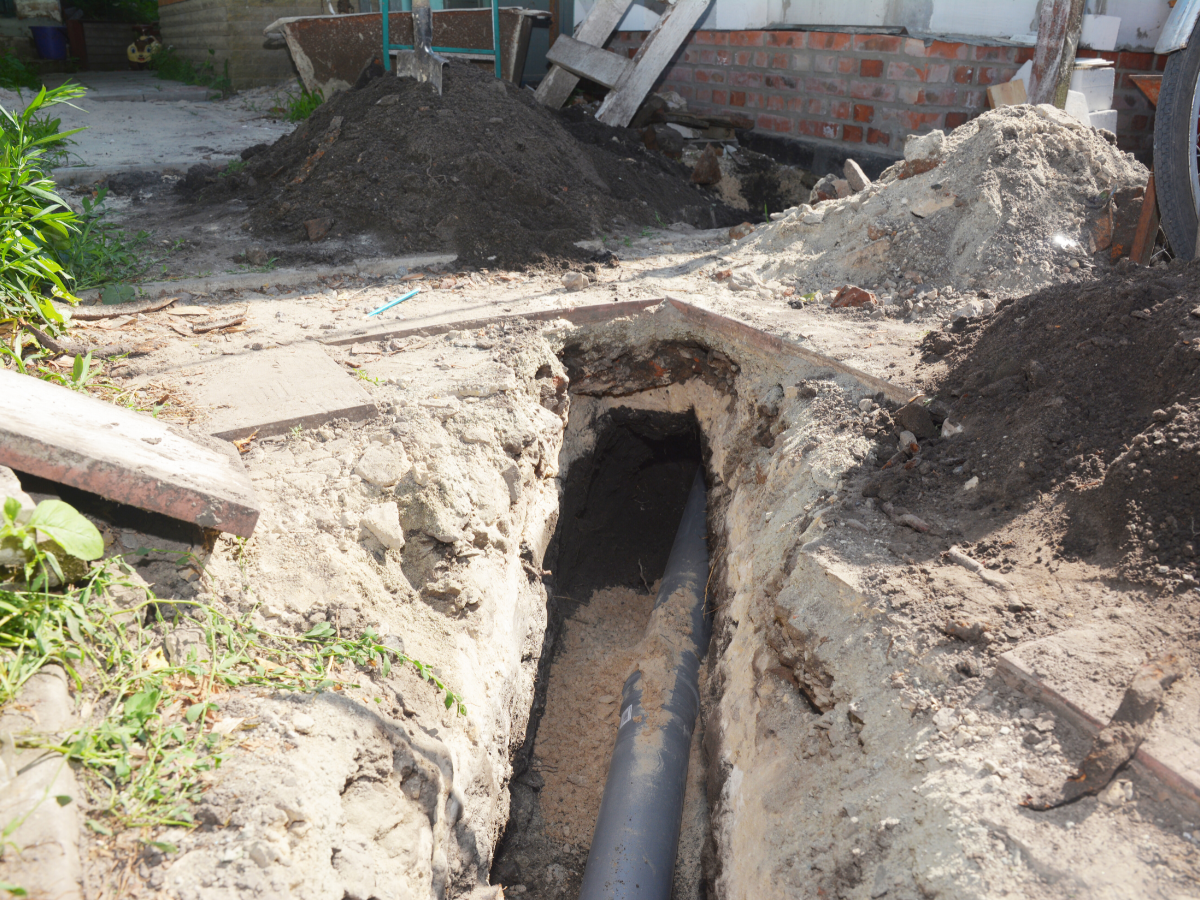
Benjamin Franklin Plumbing techs arrived for a new plumbing job in Fort MyersIf you have a stubborn drain clog that isn’t fixable with simple plunging, it’s time to call in the pros. Here are the top warning signs to give us a call:
  • Water drains slowly even after plunging
  • Foul odors coming from sinks or tubs
  • Clogs keep coming back repeatedly
  • Gurgling noises in pipes or drains
  • Multiple drains backing up at the same time
  • Water pooling around floor drains
  • Sewage odors or backups in toilets

We offer many forms of drain cleaning, including hydrojetting, snaking, and camera inspections. With regular maintenance, your property will enjoy several benefits:

  • Faster draining sinks and tubs
  • Reduced risk of major clogs
  • Improved overall pipe lifespan
  • Lower chance of water damage
  • Eliminates foul drain odors
  • Prevents costly emergency repairs
  • Keeps plumbing system efficient

FAQs About Clogged Drains

What is the number one cause of drain clogs?

The number one cause of clogged drains in Fort Myers is hair buildup. When it accumulates and tangles with soap scum, it leads to stubborn blockages that often require professional clog removal methods.

Can I use chemical drain cleaners safely?

Only use chemical cleaners labeled safe for household plumbing. And be very careful with how often you use them since the harsh chemicals can corrode and weaken pipes. The safest way to get rid of clogs is to use professional drain cleaning methods.

How often should I clean my drains?

Cleaning your drains once a month using a natural solution with baking soda and vinegar can make a big difference in preventing clogs. Booking annual inspections will help spot and fix small blockages before they turn into expensive, frustrating damage.

Do “flushable” wipes really cause clogs?

Yes, flushing anything besides toilet paper can lead to blockages. A small sign posted nearby will remind guests to use the trash for wipes and other items.

How do plumbers clear severe blockages?

Skilled plumbers use video inspections and hydrojetting to locate and remove tough clogs. This non-invasive way to clear pipes offers several benefits, including faster results and long-term protection.

Key Takeaways

  • Most clogs in Fort Myers come from hair, grease, or roots—simple habits keep drains clear and stop backups.
  • Buildup from hard water and invading tree roots causes serious long-term damage—professional plumbing solutions safeguard your pipes and save you from expensive repairs.
  • Never pour grease down the drain, and always use screen covers—stopping debris improves flow and reduces future clogs.
  • Professional drain cleaning is an effective way to remove stubborn clogs—expert service lets you relax instead of stressing over plumbing problems.

Get Expert Drain Unclogging Services Today in Fort Myers

Ben Franklin logoClogged drains are very common in Fort Myers. The runoff from heavy rains during the rainy season contributes to blockages, especially in low-lying neighborhoods. Staying proactive now is the best way to avoid costly backups later.

If you’re dealing with a stubborn clog, contact Benjamin Franklin Plumbing for fast, professional drain unclogging services. Known as the punctual plumbers, we serve Fort Myers and the surrounding areas with fast, dependable service every time.

Filed Under: Blog

9 Dangers of Ignoring a Clogged Drain

What Happens If You Ignore a Clogged Drain?

upset homeowner trying to unclog stubborn clog with plungerFrom attracting pests to undermining the integrity of sewer lines and wastewater pipes, unchecked clogs are always progressive issues. There are nine dangers that a clogged drain could cause if you ignore it.

Ignoring a clogged drain can lead to:

  • Water damage
  • Mold and mildew
  • Burst pipes
  • Sewage backups
  • Structural damage
  • Health hazards
  • Pest infestations
  • Higher utility bills
  • Expensive repairs

9 Serious Dangers of Ignoring a Clogged Drain

A clogged drain is far more than a minor inconvenience. The following are nine ways in which an unchecked clog can impact everyone and everything in your home.

1. Water Damage in Your Home

Standing water doesn’t always stand still. Standing water from an unchecked clog could back up into your sinks and tub, or spill out onto your floors. This can lead to warped flooring and sub-floors, stained fixtures, and contaminant exposure.

Prevention Tip: Schedule timely drain repairs and regular drain cleaning service to keep your drains moving swiftly.

2. Mold and Mildew Growth

As it evaporates, standing water adds moisture to the air. This extra moisture will make your indoor air feel muggy, heavy, and oppressive. It will also create the perfect conditions for widespread mold and mildew problems, and rank, musty odors.

Prevention Tip: Keep your drains dry and well-ventilated, and fix plumbing leaks right away.

3. Burst or Leaking Pipes

The pressure behind clogs can crack or burst pipes, causing them to spew waste and wastewater. Worse still, these stress-related damages might not occur in visible areas. You could develop a cracked or burst pipe behind your drywall or other building materials, where it festers unnoticed.

Prevention Tip: Avoid chemical drain cleaners. These products corrode and weaken pipes, and they’re rarely effective for clearing clogs.

4. Sewage Backups

Your wastewater pipes converge onto your sewer line. If your sewer line has a blockage, this blockage could force wastewater back into your toilets, tubs, and sinks.

These dangerous, whole-house backups can also send effluence rushing back into your plumbing-connected appliances. If you have recurring drain clogs or multiple clogged drains at once, contact a plumber right away.

Prevention Tip: To protect your sewer line and limit your risk of whole-house backups, keep “flushable” wipes and other hygiene products out of your plumbing system. You should only ever flush toilet paper and human waste.

5. Structural Damage Over Time

With rising moisture and overflowing fixtures, a clogged drain can lead to soft or bulging drywall, blistered and peeling paint, damaged insulation, and more. The longer that you neglect a clogged drain, the more structural damage your home will sustain.

Prevention Tip: Schedule annual drain inspections and drain cleaning services.

6. Health Hazards From Bacteria

Stagnant water and sewage spread germs and foul odors. Whether you have a single clogged drain or a whole-house backup, trapped and overflowing water can be rife with dangerous biological and chemical contaminants. These contaminants can cause bacterial and viral infections, decreased indoor air quality (IAQ), and many other health hazards.

Prevention Tip: In between professional drain cleaning service, regularly freshen your drains with natural solutions like baking soda and white vinegar.

7. Pest Infestations

Standing water attracts insects and rodents, especially when drain blockages cause cracked or burst pipes or result from blocked or ruptured sewer lines. The first step in successful pest treatment is eliminating accessible food and water sources.

Prevention Tip: Keep drains clean and eliminate built-up debris with annual drain cleaning. Prevent minor drain issues from escalating with annual drain inspections.

8. Higher Utility Bills

Repeated flushing and longer water runs waste gallons. According to the Environmental Protection Agency (EPA), household leaks throughout the United States waste a trillion gallons of water annually.

Prevention Tip: Restore flow efficiency by quickly clearing drain clogs.

9. Expensive Repairs

Unchecked clogs could escalate and create the need for full pipe replacement and flood remediation. Don’t let a simple, low-cost drain repair turn into problems that cost a veritable fortune to resolve.

Prevention Tip: Deal with minor clogs right away to save money over the long term and preserve your home’s value.

How to Prevent Drain Clogs Before They Become Serious

kitchen sink filled with stagnant water shows dangers of clogsAvoid drain clogs with proper drain use. Never flush slow-degrading items like self-care wipes, cotton swabs, or feminine hygiene products.

Protect your drains with drain strainers or covers, and properly dispose of grease. After cooling them, you should always place grease, rendered fats, and cooking oils in covered, heat-resistant containers and dispose of them in the trash.

If you have excessively hard water in your home, consider installing a water softener to prevent heavy buildups of sediment in your sewer line and wastewater pipes. You can also protect your sewer line with smart landscaping solutions. Plant trees at least 10 feet away from your sewer line to prevent tree root encroachment.

Protect your sewer pipe from weed root encroachment by regularly weeding and maintaining your yard. Ask your plumber about root barriers, hydro-jetting, and other preventative measures.

When to Call a Professional Plumber

Foul-smelling drains, recurring clogs, and multi-drain issues are all signs that DIY drain cleaning isn’t enough. Professional plumbers can use hydro-jetting, exploratory drain cameras, and other tools and techniques to provide permanent solutions.

FAQs About Clogged Drains

When you have questions about clogged drains, Benjamin Franklin Plumbing has answers. Check out our answers to these frequently asked questions about drain clogs.

What is the biggest danger of ignoring a clogged drain?

Whole-house backups handily rank among the biggest dangers of ignoring clogged drains. Unchecked clogs can lead to rampant rodent or insect infestations, physical illness, and significant losses in property value.

How fast can a small clog turn into a big problem?

Aggressive DIY drain-clearing techniques like plunging, snaking, and chemical drain cleaners can cause burst pipes, leaky pipe seals, and other structural issues within seconds. The pressure from drain blockages can cause a messy pipe rupture at any time. It’s always best to call a plumber when minor troubleshooting measures don’t work.

Do chemical drain cleaners make clogs worse?

Chemical drain cleaners undermine the integrity of wastewater pipes, sewer lines, and plumbing seals. Using these products too often can create the need for pipe replacement. Even if a chemical drain cleaner breaks a tough blockage down, the resulting waste could cause a new clog deeper within your plumbing system.

What’s the safest way to prevent recurring clogs?

The safest way to prevent recurring drain clogs is by scheduling professional drain maintenance. For best results, schedule professional drain cleaning every 12 months and sewer line inspection and cleaning service every 18 to 22 months.

Key Takeaways

From water damage and mold to higher utility bills and costly repairs, ignoring clogged drains leads to nine distinct dangers. Prevention is easy. Act early, cover your drains with strainers, and never send “flushable” wipes or other slow-degrading items into your plumbing system.

You should also schedule regular drain and sewer line maintenance with a trusted, local plumber. When you have a clogged drain, fast action will save you cash and protect your home.

Protect Your Home and Family With Professional Drain Unclogging Service

Ben Franklin logoDon’t wait for a clogged drain to cause illness, mold problems, or significant property damage. If your drains are slowing down, call Benjamin Franklin Plumbing today for expert drain unclogging services and lasting peace of mind.

We’re punctual plumbers and we proudly serve Fort Myers, FL and nearby communities. Get in touch with Benjamin Frankling Plumbing now to keep your waste and wastewater moving in the right direction!

Filed Under: Blog

10 Warning Signs Your Sewer Line Is Failing

signs of sewer line failureSome sewer line problems occur slowly over time, while others happen fast. Regardless of the cause, getting prompt professional help is of the utmost importance. With quick, effective repairs, it becomes much easier to mitigate damage and reduce costly future issues.
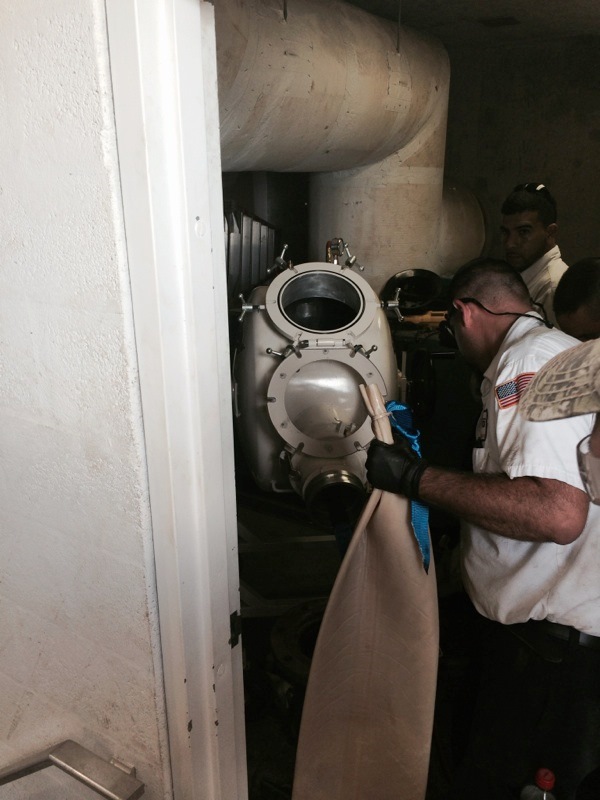
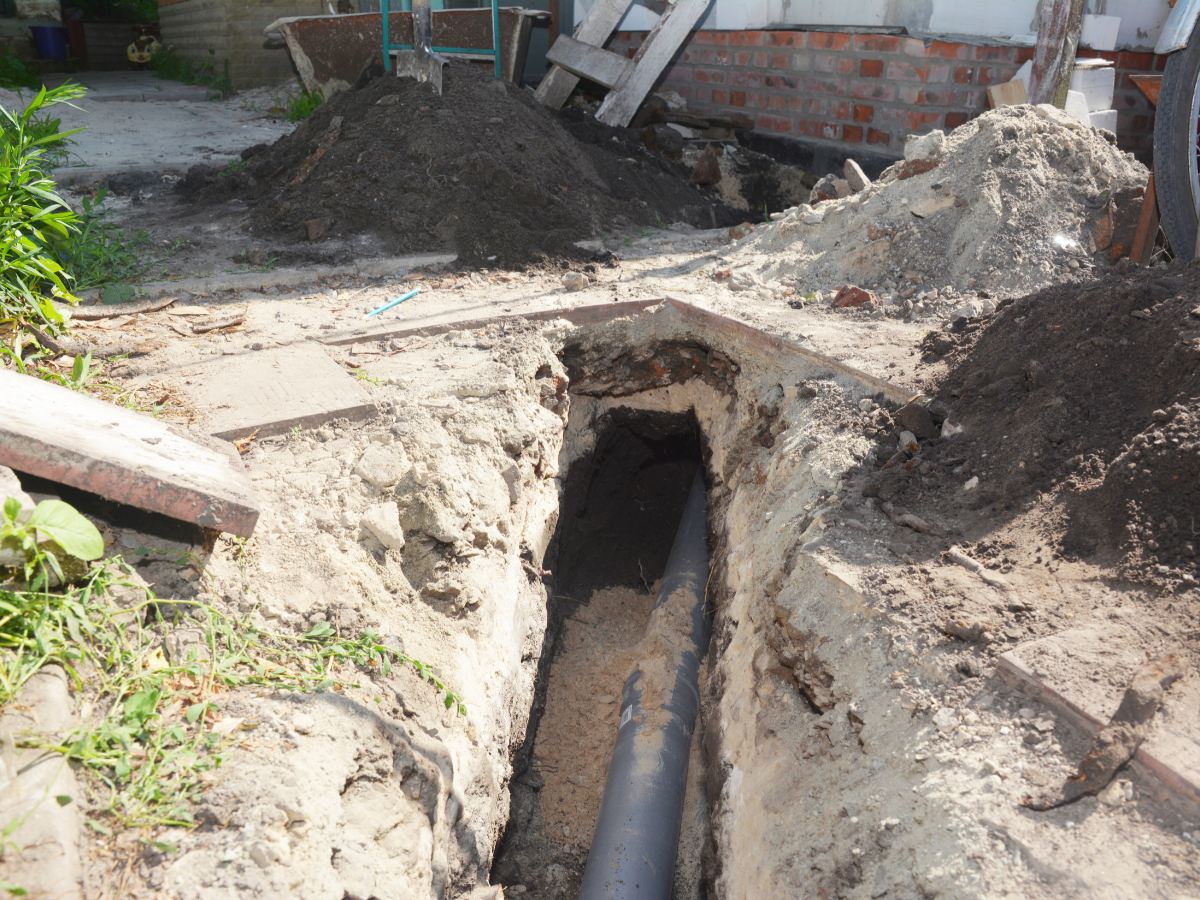
See any of these signs? Schedule a sewer line inspection immediately.

  • Foul sewage odors inside or outside – A persistent sewage smell is often the first red flag.
  • Slow or gurgling drains throughout your home – Especially if plunging and snaking don’t help.
  • Mold or mildew near plumbing – Indicates hidden leaks behind walls or under floors.
  • Toilet water levels rising and falling – A sign of fluctuating pressure from a blockage.
  • Foundation or slab cracks – Can occur when soil shifts due to leaking sewage.
  • Lush, bright green lawn patches – Leaking sewage acts like fertilizer.
  • Pests (rats, roaches) entering through pipe gaps – Cracks give them direct access.
  • Visible sewage in your yard or basement – Indicates a serious break or backup.
  • Sinking or sunken lawn or driveway – Soil erosion from a damaged line.
  • Multiple backups or frequent clogs – Especially in different drains at the same time.
  • Tree root intrusion – Roots seek moisture and break into the line.
  • Old, corroded or cast-iron pipes – Pipes over 40 years old are at higher risk.
  • Unexplained increase in water bill – Even though sewer lines aren’t metered, leaks can still raise usage.

Why Sewer Line Failures Happen

Your sewer line has the tough job of moving wastewater from your home to the municipal system. In our 20+ years repairing sewer lines in Fort Myers, we’ve seen aging pipes, tree root intrusion, and ground shifting become the top causes of cracks, blockages, and collapses.

Ignoring the early warning signs of these problems can result in costly emergencies, like backups and flooding. Some leaks can even create hazardous mold growth and other contaminants that negatively impact your health.

The Most Common Signs Your Sewer Line Is Failing

If you spot one or more of these signs, book a sewer camera inspection right away—delay only makes the problem worse.

1. Sewage Smell Inside or Around the House

Sewer line problems often come with foul smells — like rotten eggs or raw sewage — that fill the air and linger. These odors near drains, the yard, or the basement are clear indicators of a possible leak or blockage. They are normally the first clue that something is wrong.

2. Frequent Backups in Toilets and Tubs

A clogged toilet every now and then is completely normal, but multiple fixtures backing up at once signal a bigger problem. This usually means there’s a blockage somewhere deep in the sewer line.

3. Slow Drains That Don’t Improve

If plungers or liquid drain cleaners don’t help, the problem is probably beyond the trap. There could be a stubborn blockage or pipe damage in the sewer line itself, or even a collapsed section further down.

4. Gurgling Sounds When Flushing

Bubbling or gurgling after a flush means trapped air—a classic symptom of a crack or blockage.

5. Mold, Mildew, or Wall Discoloration

Leaks in the sewer line fuel mold growth behind walls and under flooring. The mold can spread quickly if you don’t get an immediate repair.

6. Lush Grass or Sinkholes in the Yard

As sewage leaks through cracks or loose joints, it may over-fertilize certain parts of the yard and make them greener than the rest. Over time, the soil erosion can leave behind deep sunken spots or even dangerous sinkholes.

7. Foundation or Driveway Cracks

Waste and water intrusion created by breaks or blockages in a sewer line hinders proper drainage. As the pressure builds, you might notice slab leaks or concrete cracking, which greatly compromise your home’s integrity.

8. Rodents or Insect Infestations

Sewer flies, roaches, and rats don’t just wander in—they love entering through cracks or breaks in sewer pipes. The longer you put off getting professional help, the worse the infestations will become.

9. Unexplained Spike in Your Water Bill

Your sewer line doesn’t have a meter connected to it, but sudden changes in your water bill can still reveal a hidden leak.

10. Old or Outdated Pipe Materials

Many neighborhoods have plumbing systems with outdated pipe materials, like clay, cast iron, or Orangeburg. These types fail more easily because of their age, brittleness, and vulnerability to root intrusion. If your house is past the 40-year mark, a plumber can inspect the sewer line and make recommendations to prevent future failures.

What to Do If You Suspect Sewer Line Failure

plumber performing CIPP trenchless sewer line repairs

We’ve said it before, and we’ll say it again—don’t ever delay in calling us when you suspect a problem. Our plumbers use state-of-the-art sewer cameras to look deep inside the pipes and pinpoint the exact problem.

We’ll choose from an assortment of repair methods based on the extent and location of the damage.

  • Spot repair – For small, localized cracks or blockages.
  • Full replacement – Necessary if the line is extensively damaged.
  • Trenchless sewer repair – A modern, less invasive option that avoids tearing up your lawn or driveway.

When to Call a Professional

One warning sign may indicate a small clog or a minor, isolated problem. But when you notice two or more, it’s time to book a full inspection. And remember, the sooner you schedule, the better. Delaying repairs can turn a manageable fix into a $10,000 reconstruction job if the damage spreads unchecked.

FAQs About Sewer Line Problems

Sewer problems in Fort Myers? We’ll clear up your questions.

Can I fix a sewer line issue myself?

No, you should never work on a sewer line problem unless it’s a minor clog. Damaged pipes require specialized equipment and training to fix.

How much does it cost to replace a sewer line?

The cost of replacing a sewer line all depends on the location, pipe length, and depth. Most jobs range from $3,000 to $8,000.

Are sewer line issues covered by homeowners insurance?

Sometimes—the terms and conditions of your policy will determine whether the repair is covered. Most policies exclude problems caused by wear and tear but will cover damage from sudden, accidental events.

Is trenchless sewer repair a good option?

Yes, we highly recommend trenchless sewer repair because it requires much less digging than traditional methods. This makes it much easier (and cheaper) to preserve your landscaping and protect hardscapes like driveways and patios.

Don’t Wait on Sewer Line Repairs

Ben Franklin logoSewer problems don’t fix themselves—they require professional tools, skilled expertise, and proven techniques. Our familiarity with the local soil conditions and municipal codes ensures we provide accurate diagnoses and lasting fixes that stand the test of time.

We proudly serve all of the Fort Myers community and surrounding areas, including Cape Coral, Estero, and Bonita Springs. From simple sewer line repairs to full replacements, we are the trusted choice for reliable sewer solutions. Connect with Benjamin Franklin Plumbing of Fort Myers today to get fast, dependable help for sewer line problems in Fort Myers.

Filed Under: Blog

What Is a Sewer Line Belly?

evacuation done by plumbers to fix sewer line bellyIf your sewer line starts to sag, you might develop the much-dreaded sewer line belly. This plumbing problem refers to a sewer line that dips down in the middle instead of running in a straight line from your house to your sewer. A sewer pipe belly prevents gravity from moving wastewater, so debris will start to collect in the dip and result in costly plumbing issues.
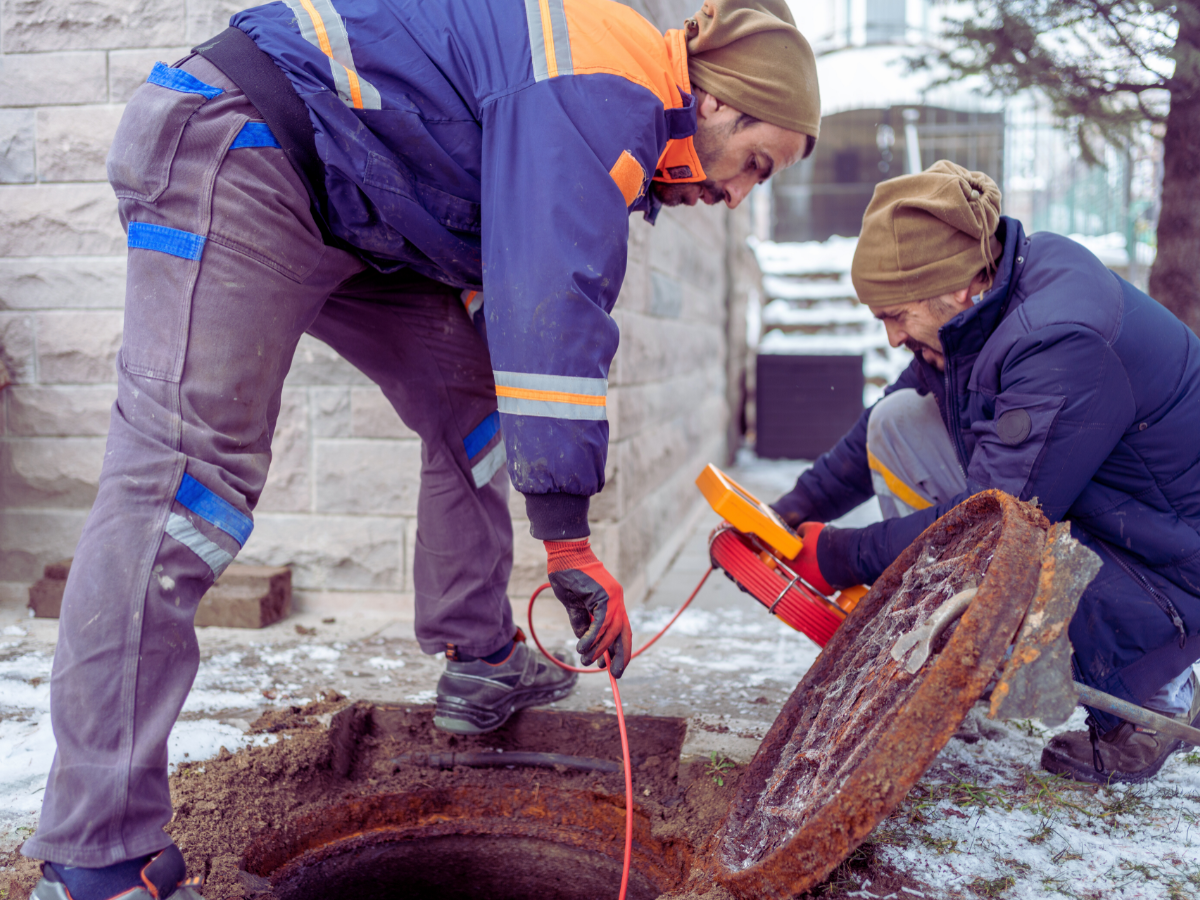
While this might sound ominous, the good news is that you don’t have to deal with a sewer low spot forever. Understanding how it happens can help you discover how to fix it or prevent it.

TL;DR: Key Takeaways

  • A sewer line belly is a U-shaped dip in your sewer pipe.
  • The sagging spot in a sewer line belly causes wastewater to flow more slowly, so clogs develop.
  • Signs of a sewer line belly include frequent clogs, slow-moving drains, and a dip in your yard
  • Potential repair options include reinforcing the pipe or replacing it altogether.

What Causes a Sewer Line Belly?

There are many different causes of a sewer line belly.

Shifting Soil and Ground Settlement

If your line was installed on clay or sand, it can shift over time. Other gradual changes, like backfill erosion and settling ground, can also cause issues.

Poor Pipe Installation

In some cases, your sewer line might’ve been installed improperly. Some inexperienced plumbers may fail to provide proper bedding or maintain a correct slope when laying your sewer line.

Tree Roots and External Pressure

Nearby trees can gradually push the pipe and displace it. You might also have problems if heavy equipment sat on the ground above the pipe and displaced it.

Why a Sewer Belly Is a Problem

Without gravity always pushing wastewater downward, it’s much harder for your sewer line to work correctly. In some cases, toilet paper, waste, and other material will get stuck and cause a clog.

Even if your sewer doesn’t stop draining altogether, you’ll often end up with a slow-moving drain. This can result in foul odors and sewage backups.

Warning Signs You Might Have a Sewer Line Belly

Make sure to keep an eye out for these signs of a sewer sag.

Common Symptoms

  • Frequent sewer line clogs
  • Multiple fixtures draining slowly
  • Strange noises coming from drains
  • Unpleasant smells in your drains or your yard
  • Soggy or overly green spots in your yard
  • Sunken spots in your yard

How to Confirm a Sewer Belly

plumbers performing sewer line inspectionWhile all these signs can indicate a potential belly, there is only one real way of confirming a sewer line belly. In order to see what’s happening underground, you’ll need a sewer camera inspection.

The camera will see any sudden dips in the line, and it can also identify puddles of standing water that indicate more subtle sewer line bellies.

Can a Sewer Belly Be Fixed Without Digging?

Can a sewer belly be repaired without excavation? This depends on the condition of your sewer line, the construction of your home, and the type of soil in your yard.

When Pipe Relining Works

Trenchless sewer repair uses a cured-in-place-pipe (CIPP) to lay a new sewer line without needing to dig up your yard. It inserts a resin-coated liner into your old pipe to smooth and repair your minor sags. However, it only works if the majority of your sewer is in good condition.

When Full Replacement Is Required

More severe cases of a pipe belly will need a full replacement. This involves digging up the old line and removing it. A full replacement allows your plumbers to improve the bedding under the pipe and adjust the slope.

Sewer Line Belly Repair Costs

How much does the typical sewer line belly repair cost? Here’s what you need to know.

Average Price Range

There’s a very wide range in sewer belly repair prices. They can be as low as $1,300 or as high as $9,000. According to This Old House, the average national cost is $3,320.

Cost Factors

Things that affect your costs include:

  • How deep the pipe is
  • How long the sewer line belly is
  • Whether the pipe is under a concrete slab foundation
  • Whether you choose trenchless CIPP repairs or not
  • Materials used for the sewer pipe

How to Prevent Sewer Bellies in the Future

If you want to avoid the hassle of repeated repairs, it’s a good idea to take some steps to prevent sewer bellies:

  • Make sure your line is installed at a proper slope
  • Compact soil around the line correctly during the installation
  • Don’t plant trees near the line
  • Don’t park heavy vehicles or equipment on the line
  • Get your sewer inspected after earthquakes or foundation work

FAQs About Sewer Line Bellies

Here are some important details to know about sewer line bellies.

How serious is a belly in a sewer line?

A sewer line belly is a very serious problem. If left untreated, you can end up with a flooded home.

How do I know if I have a pipe belly?

Slow drains and frequent clogs are a sign of a belly, but it can only be confirmed with a sewer camera inspection.

Can I fix a sewer belly myself?

Unless you’re a trained plumber, no. Fixing a sewer belly requires specialized equipment and professional knowledge.

Will insurance cover sewer belly repairs?

Sometimes, but it depends on your insurance and how bad the sewer belly is. Check your policy to see if it’s covered.

Don’t Ignore Sewer Line Bellies

Ben Franklin logoEven though they’re hidden deep under your yard, sewer line bellies can still cause major sewer issues in your house. If you don’t want the hassle of frequent clogs or the mess of a sewage flood, it’s important to address a sewer line belly as soon as possible.

When you suspect you have a sewer line belly, turn to the punctual plumbers. Benjamin Franklin offers sewer line repair and replacement throughout the Fort Myers region, and you can always count on us to be prompt, professional, and efficient. Call Benjamin Franklin of Fort Myers today to schedule your sewer inspection or learn more about our services.

Filed Under: Blog

Is Fort Myers Water Safe to Drink Without a Filter?

Fort Myers water that is safe to drink because of water filtrationLiving in Fort Myers is a dream come true for anyone who enjoys living near the beach. Being close to the sea makes it easy to enjoy your favorite aquatic activities. But, you also want to know that your water is safe to drink when it’s time to hydrate.

Diving a bit deeper into the water’s safety in Fort Myers can help you decide if it’s best to install a home water filtration system.

Quick Takeaways

•The water in Fort Myers meets or exceeds federal safety standards.

•Meeting safety standards still could include containing chlorine, minerals and trace contaminants.

•Just because water is safe doesn’t always mean that it tastes good or meets personal standards for cleanliness.

•Whole home water filtration systems add extra protection and can improve the taste of your water while safeguarding the plumbing system.

Understanding What “Safe” Water Actually Means

The EPA standards for water include legally binding regulations that utility companies and other suppliers must meet. These are designed to prevent you from drinking harmful bacteria and other contaminants that could cause serious illness.

Meanwhile, actual water quality refers to different characteristics that you can assess to consider it good for specific uses. If you’ve ever been camping, then you might have run across a faucet that said the water was good for cleaning but not for drinking.

In Fort Myers, the water that comes into your home is specially treated to eliminate contaminants such as algae and heavy metals that are dangerous to consume in high levels. But, this process doesn’t always fix all of the water quality issues.

Legally-compliant water might still have hardness, chlorine and trace metals that you prefer not to drink or use for bathing.

Where Does Fort Myers Water Come From?

aerial photo of Clearwater, FL at duskWhile many people never think about where water comes from, it’s pretty clear that it must derive from a natural source. Our water in Fort Myers comes from several sources, but the Caloosahatchee River is the primary one. We also get water from underground wells that draw from the Floridan Aquifer.
Both surface and groundwater are treated locally at municipal treatment plants. The water treatment process helps to remove contaminants and improve the color and taste of the liquid you see running out of your sink.

By the time the water reaches your house, it should be clear and relatively tasteless. However, many people still detect a hint of chlorine as they drink unfiltered local water.

So, What’s Actually In Fort Myers Tap Water?

Whether you’ve lived here for years or just moved to the area, it’s worth digging into to find out what you might be drinking.

1. Expect Normal Chlorine and Disinfection Byproducts

There’s no way around it. Some disinfection chemicals that treatment facilities use to meet EPA guidelines remain in the water. Although they help sanitize the water, they can leave an unpleasant taste and odor.

2. Understand How Hard Water Minerals Impact Water Quality

Fort Myers is especially known for having hard water that contains calcium, magnesium and iron. Although these minerals won’t typically harm your health, they can cause scale and other buildup in the pipes and on your hair. You could also detect a metallic taste in your home’s faucet water.

3. Recognize the Potential of Consuming Trace Contaminants and Sediment

You might not sense grittiness in the water, but it can still contain sediment from old pipes when it gets through your home’s system. Lead and rust could also be present in unfiltered home water. Fort Myers water that is sourced from the river can also have a higher risk of containing rain runoff or algae, especially during the warm, rainy parts of the year.

Well, Can You Drink It Without a Filter?

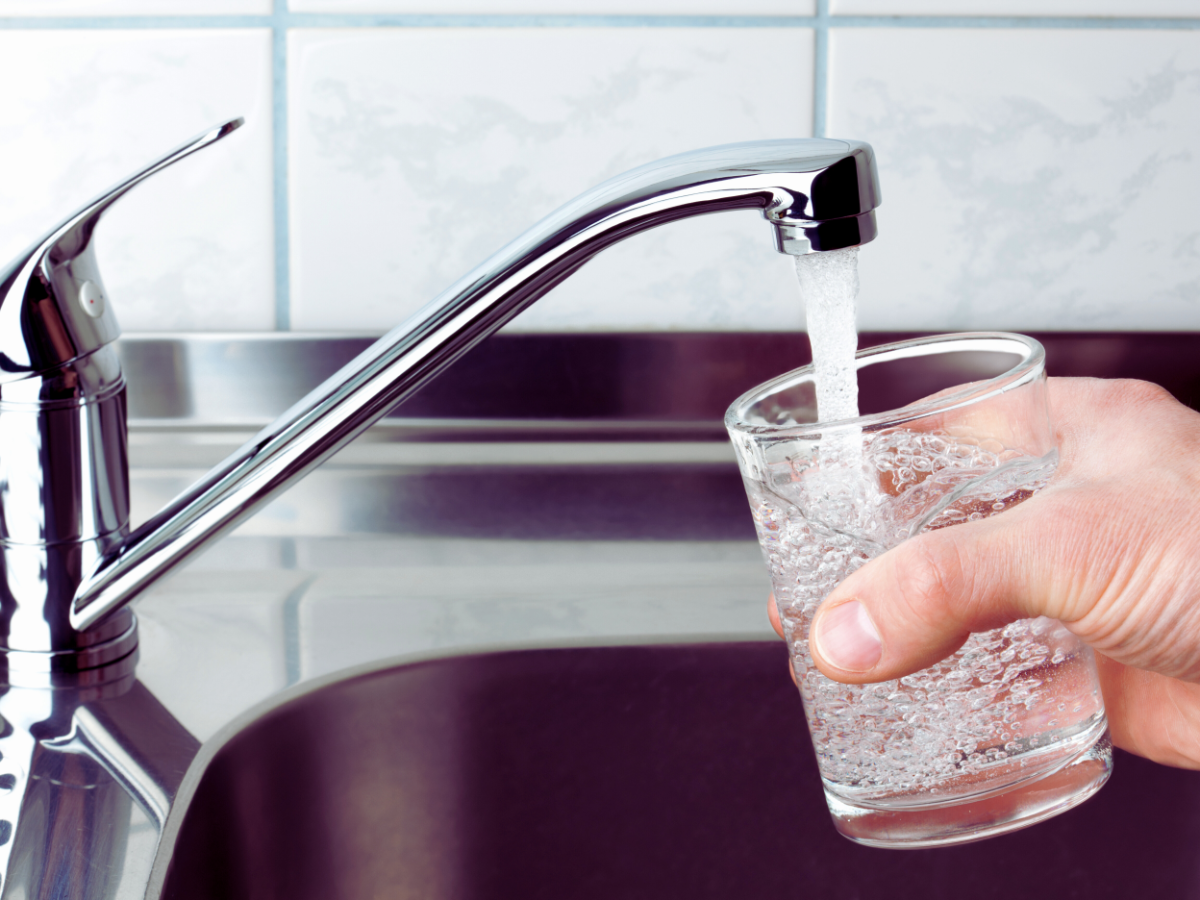
homeowner filling up glass with tap water Technically, anyone can drink the water here without using a filter as long as it comes from the local water suppliers. But, you will need to accept a few trade-offs.

Unfiltered water from the public supply may not taste as pleasant as it does after running through a home filtration system. You could also risk long-term exposure to byproducts that occur from the sanitizing process.

Plus, hard water can lead to serious damage to your home appliances and plumbing system. You might even be able to see the effects of hard water on the plumbing right now if you notice buildup around your faucets or shower head.

What Do the Water Quality Reports for Fort Myers Say?

The Fort Myers Annual Water Quality Report is worth checking out when you worry about contaminants in the water you drink. In most cases, the water exceeds or meets standards for healthy drinking water. But, there are a few areas of concern.

For instance, the local water report often shows that Trihalomethanes are higher than the recommended guidelines. These disinfection products occur when chlorine reacts with certain types of organic matter in the water, and they could potentially cause long-term health issues.

When Should You Absolutely Use a Filter?

Knowing when you should use filtered water helps you maintain your health and care for your loved ones’ well-being.

•If you or someone in your household is immunocompromised, pregnant or a young child

•Your home has old plumbing

•You notice strange tastes, odors or colors in your home’s water

What Are the Many Benefits of a Whole Home Water Filtration System?

Exploring this list of benefits gives you an idea of just how much installing a water filtration system can impact your quality of life.

•Filter out chlorine, metals and other contaminants from every tap in the house.

•Improve the overall taste, smell and water quality for bathing, drinking, cleaning and performing other essential tasks.

•Extend the life span of your home appliances and pipes.

FAQs

Making a decision on having our plumbing tech install a whole-home water filtration system is easier when you have all of the answers to your questions. We hope these help!

Is Fort Myers tap water noticeably chlorinated?

The treatment facilities in Fort Myers do use chlorine for disinfection, and lots of people notice that it impacts the taste and smell.

Is bottled water safer to drink compared to Fort Myers tap water?

Not always. Bottled water isn’t even always filtered. Plus, it’s way more expensive over time compared to installing a filtration system.

Can I just boil water to make it safer?

Boiling is great for removing bacteria, but this should already be at a healthy level by the time it reaches your house. Boiling won’t remove minerals, chlorine or other chemical contaminants, unfortunately.

Is hard water unsafe for drinking every day?

It’s technically fine to drink hard water, but it often tastes unpleasant. People also find that hard water impacts their skin and hair health by leaving residue that also impacts plumbing systems.

Get the Unfiltered Answers to Your Questions About Home Water Filtration

Benjamin Franklin Plumbing Tampa LogoDo you want water that’s clear, clean and tastes delicious straight from your home’s taps? Our Fort Myers-based plumbing company performs whole-home water filtration system installations that are customized to address your specific water concerns.
Reach out to our plumbers today to get the unfiltered truth on how installing a filtration system can make staying hydrated more pleasurable.

Filed Under: Blog

Why Fort Myers Tap Water Tastes Bad & How to Fix It

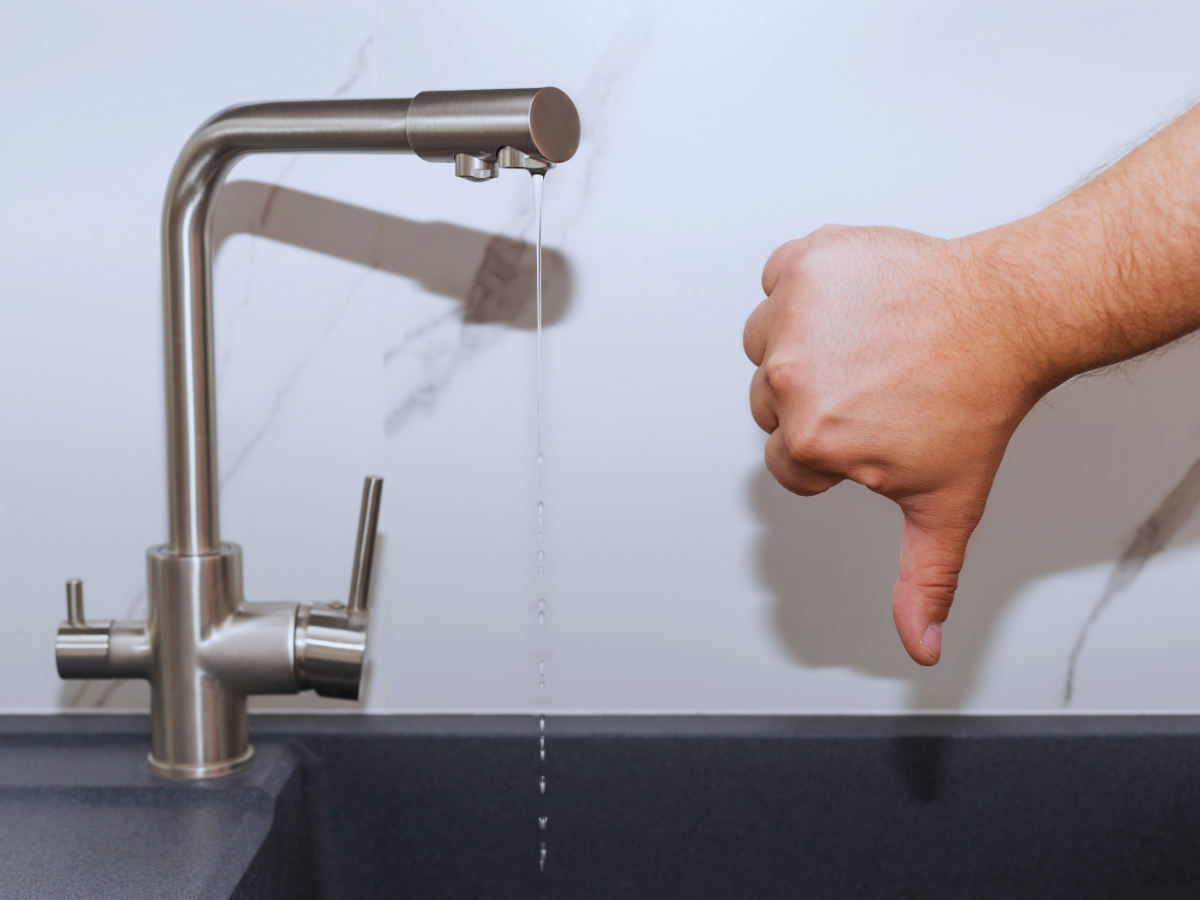
homeowner giving thumbs down to bad tasting tap waterThe water in Fort Myers doesn’t always taste great for a few reasons, but there’s a solution.

  • High mineral content, including calcium and magnesium, can give it a metallic or earthy flavor.
  • Chlorine makes your water safer to drink but can also taste like chemicals.
  • Aging pipes and other old infrastructure along with algae and runoff can also make it taste bad.
  • You can get safer, better tasting water with whole home water filtration systems, which also help keep your plumbing and appliances in better shape.

Whether you’ve just moved to Fort Myers, FL or you’re a longtime resident, one thing is almost certain: You’ve tasted unfiltered tap water, and you’re in no hurry to repeat that experience. While there is plenty to enjoy recreationally about the water in the area, drinking it is another matter entirely.

Fortunately, whole home water filtration offers a solution. This doesn’t just improve the taste and appearance of your water but also helps protect your plumbing, your appliances and the health of your household.

Common Complaints About Fort Myers Tap Water

There’s plenty to complain about! Your tap water in Fort Myers may taste like chlorine or other chemicals, or it may have a metallic or mineral flavor.

It might smell earthy or musty. And depending on where you are, it might also be discolored.

Why Does Fort Myers Tap Water Taste Strange?

A number of factors are responsible for the unappealing taste of Fort Myers tap water.

Hard Water and Mineral Content

The term “hard water” refers to water that has a high mineral content, which includes iron, calcium and magnesium. The hardness of water is measured on a scale of grains per gallon.

The City of Fort Myers reports a water hardness of 1.8 grains per gallon, which is considered slightly hard by the nonprofit industry group the Water Quality Association.

However, many households may actually experience higher levels of hardness in their water. Fort Myers gets a lot of its water from the Floridan Aquifer, which has some very hard water in parts.

Furthermore, if you have well water, your water may be harder than the municipal supply. In addition to affecting the smell and taste of your water, hard water makes lathering soap difficult and leaves buildup in your pipes and appliances.

Chlorination and Disinfection Byproducts

Chlorine and chemicals called chloramines, which combine chlorine and nitrogen, are commonly used as disinfectants in water systems because they are safe and effective. However, the drawback is that this treatment can make your water smell and taste like it’s being pumped in from a swimming pool.

Source Water Issues

In addition to the Floridan Aquifer, the Fort Myers area also draws some of its water from the Caloosahatchee River. There are several issues with the river water that affect its safety. The city’s water treatment program keeps amoebas and bacteria under control, but algae blooms are an ongoing issue.

The river is also vulnerable to pollution from runoff, which can contain many different contaminants. This includes pollutants from agricultural and industrial activity.

Well systems are not immune to potential contamination, especially since well water does not undergo the safety checks that municipal water does. In addition, aging pipes can introduce impurities into the water.

Infrastructure Challenges

Those aging pipes are part of a larger problem with overall infrastructure. These old systems might be in your home or might be part of the public water lines.

Some are made of materials such as lead that can leach into your water supply. Others are fragile from age and are more prone to corrosion and breakage, allowing contaminants into your water supply that may have been safe when it left the treatment facility.

Health vs. Taste: Is It Safe to Drink?

homeowner filling up glass with tap waterWhile public water supplies occasionally become contaminated on a large scale, most of the time, tap water is safe to drink. All states are required to meet or exceed EPA standards.

However, this requirement is only about what is safe and not about what is palatable. Your water may not be harmful, but you might not want to drink it either if the taste is bad.

Another potential issue is long-term exposure to chlorine and heavy metals in the water supply. These may be present in quantities that meet legal safety standards, but they still might cause health problems in some people over many years.

How Whole Home Water Filtration Solves the Problem

Fortunately, whole home water filtration can remove impurities from your water.

What It Filters

Here are some of the impurities that whole home water filtration can eliminate:

  • Chlorine
  • Chloramine
  • Sediment
  • Heavy Metals
  • Volatile Organic Compounds, or VOCs

Several whole home water filtration options exist:

  • Carbon filters use activated carbon to remove contaminants such as chlorine and organic compounds.
  • Reverse osmosis removes even more contaminants.
  • Water softeners are a great choice if your primary concern is hard water, or they can be installed alongside other filtration systems.

Benefits Beyond Taste

Softer water means softer skin and hair. You’ll also have cleaner laundry and dishes. Finally, your appliances and plumbing will last longer without the scale buildup and additional wear and tear of hard water.

Why DIY Filters Aren’t Enough

You might be considering point-of-use water filters, such as a filter attached to your refrigerator or a pitcher for drinking water. Point-of-use filters may primarily only improve odor and taste but not filter out other contaminants.

In addition, you will still have issues with the water in the rest of your house, including the drying effects on your skin and hair and the damage to pipes and appliances. Point-of-entry systems are whole house filtration systems that filter water for your entire dwelling. Whole house filtration happens at the source and ensures you are getting safe, high-quality water out of every fixture.

Best Water Filtration Service in Fort Myers

If you’re put off by the taste and smell of water in Fort Myers, you’re not alone. This is an issue throughout the region, and it has a proven solution. Our expert plumbers work with you to identify and install the best professional grade whole home filtration system for your house based on your specific water quality issues and needs.

When you’re ready to enjoy better tasting, healthier water throughout your home, call the punctual plumbers at Benjamin Franklin Plumbing. We service households in Fort Myers and the surrounding areas.

FAQs

Is Fort Myers tap water safe to drink?

It may not taste or smell like it, but the tap water meets federally mandated safety standards. However, filtration makes it taste better. You also don’t have to worry about any impurities that may have contaminated the water on its way to your taps.

What is the best type of filter for Fort Myers homes?

You should have your water tested to get the best answer to this question. For most households, a whole home carbon filtration system combined with a water softener is the right solution.

Can filtration remove the chlorine taste?

Yes, getting rid of that “swimming pool” chlorine taste is one of the primary benefits of filtration. It will also remove chlorine byproducts.

Will filtration help with hard water scale?

Yes, the combination of filtration with a water softener will largely eliminate the scale that builds up in your pipes and appliances.

How often do filters need replacing

The usual replacement schedule is every 6-12 months, but we’ll advise you regarding your specific system. We also have maintenance plans that can help you stay on top of things.

Filed Under: Blog

  • « Previous Page
  • 1
  • 2
  • 3
  • 4
  • …
  • 7
  • Next Page »

How can we help you?

Your Name(Required)
Consent(Required)
By submitting your information, you agree to allow Benjamin Franklin Plumbing to contact you via phone, email, or text regarding your project inquiries. Rest assured, your personal information will remain confidential and will not be shared with third parties for marketing or spam. You can opt out whenever you wish. Standard message/data rates may apply. Consent is not a condition of purchase.
Terms and Conditions | Privacy Policy

Our Location

Benjamin Franklin Plumbing
14241 Jetport Loop #2
Fort Myers, FL 33913

Phone: (239) 376-0892

Hours of Operation:

Monday: 24 Hours
Tuesday: 24 Hours
Wednesday: 24 Hours
Thursday: 24 Hours
Friday: 24 Hours
Saturday: 24 Hours
Sunday: 24 Hours

Connect with Us

Facebook Youtube

Our Services

Drain Clearing
Drain Unclogging
Drain Cleaning
Emergency Plumbing
Faucet Installation
Faucet Repair
Garbage Disposals
Garbage Disposal Repair
House Repiping
Hydro-Jetting
Leak Detection
Plumbing Repairs
Sewer Line Repair
Sewer Line Replacement
Shower Installation
Shower Repair
Sump Pumps
Tankless Water Heaters
Toilet Installation
Toilet Repair
Water Filtration
Water Heater Installation
Water Heater Repair
Water Line Repair
Water Line Replacement
Water Softeners
Well Pump Repair

About

Our Company
Contact Us

Copyright © 2026 · Service Minds | License CFC1429175 | Privacy Policy • Terms and Conditions

Book Online
(239) 376-0892