Benjamin Franklin

Fort Myers, FL

  • Home
  • Services
    • Drain Clearing
      Drain Unclogging
      Drain Cleaning
      Emergency Plumbing
      Faucet Installation
      Faucet Repair
      Garbage Disposals
      Garbage Disposal Repair
      House Repiping
    • Hydro-Jetting
      Leak Detection
      Plumbing Repairs
      Sewer Line Repair
      Sewer Line Replacement
      Shower Installation
      Shower Repair
      Sump Pumps
      Tankless Water Heaters
    • Toilet Installation
      Toilet Repair
      Water Filtration
      Water Heater Installation
      Water Heater Repair
      Water Line Repair
      Water Line Replacement
      Water Softeners
      Well Pump Repair
  • Service Areas
  • Specials
  • About
  • (239) 376-0892
  • Book Now

Does Homeowners Insurance Cover Main Water lines?

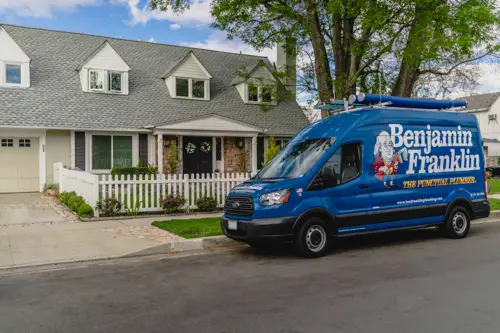
A Benjamin Franklin Plumbing Van pictured in front of a home in Fort MyersEver had that heart-stopping moment when you discover water gushing from a pipe in your Fort Myers, Florida home? Or maybe you’re just wondering what would happen if you did? What about main water lines? Are they covered? Well, let’s break down what your homeowners insurance actually covers when it comes to water damage – and trust me, it’s not as straightforward as you might think! Being informed about your policy’s details can help you avoid surprises during the claims process.

Are You Covered for Burst Pipes?

Here’s something that’ll make you feel better: if a pipe suddenly bursts and turns your living room into a swimming pool, you’re probably covered! Insurance companies generally understand that these things can happen to anyone, even the most careful homeowners.

They’ll typically help pay for:

  • Fixing up your soggy walls and floors.
  • Replacing that waterlogged furniture.
  • Getting your electronics back in working order.

But here’s the catch (isn’t there always one?): if you’ve been ignoring that tiny leak under your sink for months and it finally gives way, your insurance company might not be so sympathetic. They’re big on the whole “sudden and unexpected” thing, not so much on the “yeah, I knew about it but figured it could wait” situation. Your plumbing needs regular maintenance to prevent leaks and damage. A Ben Franklin plumbing professional can make sure your home stays free from leaks that cause damage to your home.

It’s not often below freezing in Fort Myers, Florida. But sometimes, the weather will surprise Floridians with sub-freezing temps. If you are not prepared, there is a possibility your pipes will freeze and burst. Insurance companies will usually cover damage from frozen pipes that burst – but only if you’ve been responsible about it.

Want to stay on your insurance company’s good side? Here’s what they want to see:

  • Keep your house at least 55°F, even when you’re away (I know, it seems warm for an empty house, but trust me on this).
  • Wrap those pipes up nice and cozy with insulation.
  • If you’re heading out of town during the cold months, have a friend check on your place now and then.

These steps can help reduce risks and demonstrate responsible property management to your insurer.

Do I Have Coverage if my Main Water Line Breaks?

Now, main water lines can be tricky. That pipe running from your house to the street? It’s usually your responsibility, but standard insurance often won’t cover it if your water main wears out or gets crushed by tree roots. However, if you accidentally hit it while planting that new garden? That’s usually covered.

Pro tip: Look into getting a separate water line protection plan. It’s like insurance specifically for those pipes your regular policy turns its nose up at.

3. Key Insurance Policy Components for Broken Pipes

When water damage hits, three types of coverage jump into action:

  1. Dwelling Coverage: This is the heavy hitter that takes care of your house itself – the walls, floors, and everything built-in. Think of it as protection for anything that wouldn’t fall out if you turned your house upside down.
  2. Personal Property Coverage: This is for all your stuff – furniture, clothes, that fancy TV. Quick heads up: basic policies usually factor in depreciation (meaning your 5-year-old couch isn’t worth what you paid for it). Want better protection? Ask about water line replacement cost coverage.
  3. Loss of Use Coverage: If your house becomes temporarily uninhabitable (like when that pipe burst in your ceiling), this coverage helps pay for your hotel stays and even extra meal costs. Pretty neat, right?

Water Damage Not Covered by Homeowners Insurance

Let’s be real – there are some water situations where your insurance company will just shake their head “no.”

The big ones are:

  • Sewage backing up into your house (gross, I know).
  • Your sump pump deciding to take a day off.
  • Flooding from outside water (that’s what flood insurance is for).

And remember – neglect is never covered. Insurance companies expect you to take care of your home like you’d take care of your car. Regular check-ups and maintenance aren’t just suggestions! Benjamin Franklin Plumbing pros can make sure your plumbing is in good shape.

Think of your Fort Myers, Florida homeowners insurance like a good friend who’s happy to help in an emergency but expects you to be responsible. Keep up with maintenance, fix small problems before they become big ones, and know exactly what your policy covers.

And hey, if you’re not sure about something, just ask your insurance agent! They’d much rather explain things now than have to deny a claim later. Trust me, a quick conversation today could save you thousands tomorrow. Make sure you do your due diligence to protect your plumbing and main water lines by having a professional from Ben Franklin perform an annual inspection.

Filed Under: Blog

Traditional Toilet vs. Skirted Toilet: What’s the Difference?

Benjamin Franklin Plumbing Tech, Trevor, With Homeowners in Fort MyersChoosing a new toilet might seem simple, but it can get complicated with so many options available. Who knew choosing a toilet for your Fort Meyers, FL home could be so complicated? Don’t worry, though – At Ben Franklin Plumbing, we’ve got your back. Let’s chat about the big showdown: the skirted toilet vs. non-skirted toilets. Grab a seat (pun intended), and let’s dive in!

Skirted Toilet vs. Non-Skirted Toilet: The Main Differences

First things first – what’s the deal with these two types? Well, it’s all about the looks and the guts (or lack thereof).

Skirted toilets are like the sleek sports cars of the bathroom world. They’ve got this smooth, seamless look with a fancy “apron” that hides all the plumbing bits. Think of it as your toilet wearing a stylish skirt – hence the name! These bad boys scream “modern” and “chic.”

On the flip side, non-skirted toilets are your classic, no-nonsense option. They’re not trying to hide anything – pipes and bolts are out there for all to see. It’s like your toilet is saying, “Yeah, I’m a toilet. What of it?”

Comparison of Skirted vs. Non-Skirted Toilets

1. Cost: Which toilet is more expensive?

Cost is another important factor. Skirted toilets tend to be more expensive and can be more challenging to install, if you are a DIY hero. Non-skirted toilets, however, are usually more budget-friendly and simpler to set up. At Service Minds ben Franklin, our professional plumbers can install any type of toilet efficiently and seamlessly.

2. Maintenance: Does one clean easier than the other?

Here’s where skirted toilets shine – they’re super easy to clean. No nooks and crannies for grime to hide in. Just swish, swipe, and you’re done! Non-skirted toilets require a bit more elbow grease to get around all those exposed parts.

3. Aesthetics: Do you want sleek or practical?

Skirted toilets are the Instagram models of the toilet world. They look sleek, modern, and can really jazz up your bathroom. Non-skirted toilets are more like your trusty old jeans – they might not turn heads, but they get the job done and fit in just about anywhere.

4. Ease of Installation: Do you want the DIY option?

If you’re a DIY toilet installation warrior, non-skirted toilets are your best friend. They’re pretty straightforward to install – you can see everything you need to fiddle with. Skirted toilets, though? They can be a bit of a pain. All that sleek design means it’s trickier to get to the nuts and bolts (literally). You might want to call in the pros from Ben Franklin Plumbing to install the toilet.

5. Space Issues: How big is your bathroom?

Got a bathroom that’s more like a broom closet? A non-skirted toilet might be your best bet. They tend to be a bit more compact. Skirted toilets can be on the bulkier side, so they’re better suited for bathrooms with a bit more breathing room.


So, what’s it gonna be? If you’re all about that modern life, don’t mind splurging a bit, and have some space to spare, a skirted toilet could be your perfect throne. But if you’re watching your pennies, like to DIY, or have a snug bathroom, a non-skirted toilet might be just the ticket. If you are still stuck on which style of toilet to choose, give the pros at Ben Franklin a call. We will be glad to discuss the pros and cons to help you choose the best option for your Fort Meyers, FL home.

Remember, at the end of the day, both will get the job done. It’s all about finding the right fit for your style, space, and budget. Happy toilet hunting!

Filed Under: Blog

Can I Install a Toilet Flange on a Concrete Floor?

A Benjamin Franklin Plumbing Van outside a home in Fort Myers FLHey there, DIY warrior! Thinking about replacing a toilet flange on a concrete floor? I know, I know – it sounds like a pain, right? But don’t worry, it’s not as scary as it seems. If you’re already in the process of replacing a toilet, you may have run into a damaged, rusted, or broken flange. While working on concrete can make things a bit more complicated, there’s no need to stress. With a bit of know-how and the right tools, you’ve got this!

Safety Considerations & Toilet Flange Replacement

First things first – safety, folks! As soon as that toilet comes off, plug up that drain. Trust me, you don’t want sewer gases stinking up your bathroom (or worse, your tools taking a nosedive into the pipes). And while we’re talking safety, grab some latex gloves. Toilet work can get… well, let’s just say it’s not the cleanest job.

Before You Begin

Working with concrete requires specific tools. One of the most important tools for this project is a hammer drill. Your regular drill is just gonna laugh at concrete. You’ll need the hammer drill to create clean, precise holes. Don’t have one? No sweat! Most hardware stores rent them out. It’s way cheaper than buying one if this is a one-time gig.

What You’ll Need to Replace a Toilet Flange

It’s best to be prepared before you get started replacing the toilet flange. Here are the tools and other materials you’ll need to have on hand before you get started. If you are unsure, or you don’t have the proper tools, there’s no shame calling in a pro from Benjamin Franklin Plumbing to make sure the job is done right.

Tools:

  • Hammer drill with a 1/4-inch masonry bit
  • Multi-tool or angle grinder
  • Putty knife
  • Tape measure
  • Screwdriver

Materials:

  • Toilet (closet) flange
  • Latex gloves
  • Trash bag
  • Tapcon screws or masonry anchors

Step-by-Step Instructions

  1. Cut Off the Old Flange: First up, we gotta get rid of that old flange. If you’re lucky, you can just unscrew it. But let’s be real – those bolts are probably corroded beyond recognition. Time to break out the big guns (aka a grinder or multi-tool) and cut ’em off.
  2. Scrape Off the Old Wax Ring: Remember those gloves I mentioned? You’ll thank me now. Scrape off that old wax ring. It’s gross, it’s sticky, but it’s gotta go.
  3. Pick the Correct New Toilet Flange: Measure that drain pipe before you buy a new flange. Trust me, eyeballing it at the store is a recipe for multiple trips.
  4. Place T-Bolts in the New Toilet Flange: Before you put that new flange down, pop those T-bolts in. They should be pointing up, ready to grab your toilet.
  5. Position the Toilet Flange: Set that new flange in place. Make sure it’s flush with the concrete and lined up right. You don’t want a crooked toilet!
  6. Drill Holes Into the Concrete: Time for that hammer drill to shine. Drill four holes around the flange. Spread ’em out evenly – we want this thing solid.
  7. Screw the Toilet Flange Onto the Concrete: Use those special concrete screws (Tapcons are great) to secure the flange. But easy does it! Overtightening is bad news, especially with plastic flanges.

8. Final Steps: Slap on a new wax ring, lower that toilet into place, and tighten it down. You’re almost done!

When to Call a Professional

Look, we all have our limits. If you’re staring at that concrete floor and feeling way out of your depth, it’s okay to call in the pros at Benjamin Franklin. Sometimes, saving yourself the headache (and potential water damage) is worth the extra cost. A plumbing professional can get the job done quickly and efficiently, saving you time and potential headaches.

FAQs

1. Can you install a toilet on a concrete floor?

Yes, you can install a toilet on a concrete floor as long as the drainage plumbing is set up properly. The process involves securing the toilet flange directly to the concrete using special masonry screws.

2. What size screws are used for a toilet flange in concrete?

The most common size is 1/4-inch by 2 1/2-inch Tapcon screws. These screws are specifically designed for securing fixtures to surfaces like concrete.

3. How do I replace a PVC toilet flange in concrete?

To replace a PVC flange, start by unbolting the old flange from the concrete. After that, remove it, clean the area, and replace it with a matching new flange. Make sure to secure the new flange to the concrete with masonry screws or anchors.

See? Replacing a toilet flange on concrete isn’t so bad. Sure, it’s a bit more work than dealing with wood, but you’ve got this! Take it step by step, be patient with yourself, and before you know it, you’ll be flushing with pride at your handiwork. And hey, if things get too hairy, there’s no shame in calling the pros at Ben Franklin. Either way, you’re solving the problem, and that’s what counts!

Filed Under: Blog

Do I Need a Permit to Repair My Water Line in Fort Meyers, FL?

A Benjamin Franklin Plumbing Van pictured in front of a home in Fort MyersSo, you’ve got a water line that needs fixing, huh? Before you grab your wrench and dive in, let’s chat about what you need to know. Trust me, this stuff is important – especially here in sunny Fort Myers, FL. The region has some pretty strict rules when it comes to plumbing work. knowing the details can help you avoid mistakes, delays, and expensive fines.

Why Plumbing Regulations Matter

I know, I know. Rules aren’t fun. But hear me out. Our beautiful coastal paradise here in Fort Meyers, FL, comes with some unique challenges for our pipes. That salty air and those epic storms? They’re not exactly BFFs with your plumbing. Following the rules and regulations helps keep your home safe and can save you from some major headaches down the road.

1. Local Plumbing Regulations and Codes

First things first – we’ve got this thing called the Florida Building Code (FBC). It’s like the rulebook for all things construction, including plumbing. When you’re fixing your water line, you’ve gotta play by these rules.

Who’s keeping an eye on all this? That’d be the Fort Myers Development Services. These are the folks who’ll be giving you the thumbs up (or down) on your project.

2. Permits and Inspections

I get it. Paperwork is a pain. But trust me, skipping the permit process is like asking for trouble. You could end up with fines, having to redo all your work, or worse – unsafe plumbing. Yikes!

Here’s the deal: for most plumbing jobs (including that water line repair), you need a permit. You’ll submit your plan, they’ll check it out, and if it looks good, you’re golden.

Inspections are actually pretty helpful. They happen at the start, during, and after your project. Think of them as free advice from the experts who want to make sure your plumbing is in top-notch condition.

3. Approved Materials and Why They Matter

Listen, when it comes to pipes, not all materials are created equal. If the plumbing project isn’t done correctly with the approved materials, you could be looking at extensive problems with your pipes. Here in Fort Myers, we’ve got to think about that salty air and high humidity. PEX piping is a popular choice because it stands up to our coastal conditions like a champ.

4. Backflow Prevention

Ever heard of backflow? It’s when yucky water flows back into your clean water. Gross, right? That’s why we’ve got special devices to prevent it. If your water line repair involves stuff like irrigation systems, you might need one of these bad boys.

5. Environmental Considerations

Water Conservation

Fort Myers is big on water conservation. Using low-flow fixtures isn’t just good for the environment – it can also shrink your water bill. Now, that’s a win-win!

6. Finishing Your Project on the Right Note

Look, DIY is great for some things. But when it comes to major plumbing work, it’s usually best to call in the pros at Benjamin Franklin. They’re licensed and insured  and will make sure the job is done right the first time. And if there’s any delay – it’s YOU we pay!

Alright, that was a lot of info to throw at you. But here’s the bottom line: following the rules when fixing your water line isn’t just about staying out of trouble. It’s about making sure your home is safe, your water is clean, and your plumbing lasts for years to come.

Got questions? Don’t hesitate to reach out to the local building department or chat with a licensed plumber at Ben Franklin. We’re there to help!

Stay cool, Fort Myers. And may your pipes always be problem-free!

Filed Under: Blog

Will Homeowner’s Insurance Cover Broken Pipes?

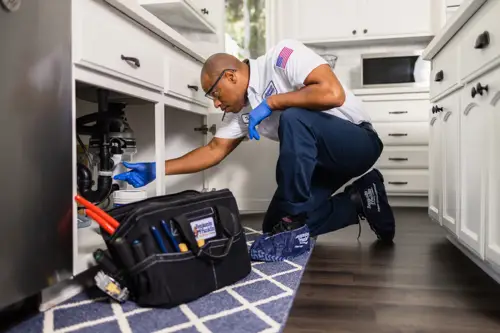
Benjamin Franklin Plumbing Tech, Layla, working under a sink in a home in Fort MyersEver had that heart-stopping moment when you walk into your basement and hear the dreaded sound of rushing water? Yeah, broken pipes are not fun. But here’s the good news: your homeowner’s insurance might be your knight in shining armor. Usually, homeowner’s insurance kicks in if the damage happens suddenly, like a pipe bursting out of nowhere. But it doesn’t always cover water damage, especially if poor maintenance or neglect occurs.  This is why it’s so important to talk with a Ben Franklin plumbing professional about routine pipe maintenance.

Let’s break down what you need to know about insurance coverage for when you are dealing with broken pipes.

Does Homeowner’s Insurance Cover Burst Pipes?

What happens if a pipe bursts suddenly and floods your Fort Meyers, FL, home? Now what? Well, if it was a sudden “Oops!” moment that you couldn’t have seen coming, you’re probably in luck.

Most homeowner’s insurance policies have got your back for:

  • Repairs to your flooring, walls, and other structural stuff
  • Replacing your water-logged furniture and belongings
  • Cleanup costs (because let’s face it, water goes everywhere)

But hold up! Before you start doing a happy dance, there’s a catch. If you’ve been ignoring that dripping faucet for months, and it finally went full Niagara Falls on you, your insurance company might give you the side-eye. They’re all about covering those “Yikes!” moments, not the “I’ll get to it eventually” ones.

Does Homeowner’s Insurance Cover Water Line Breaks?

Now, let’s talk about those sneaky water lines. Homeowner’s insurance may cover water line breaks, but only under specific circumstances. For example, if a contractor accidentally breaks your water line while digging in your yard, the resulting damage could be covered. However, if the break happens because of natural wear and tear, pests, or poor installation, your insurance likely won’t help.

Here’s a quick breakdown:

  • The line from the street to your house? Your responsibility.
  • The big pipes under the street? That’s the city’s problem (phew!).

But heads up: even if it’s the city’s fault, you might still need to file a claim with your insurance if the water decides to redecorate your basement. Many policies exclude water line breaks caused by aging or faulty installation. In such cases, repairing the water line will fall to the homeowner.

What Coverage Do You Need for Broken Pipes?

Alright, let’s get into the nitty-gritty about broken pipes and your homeowner’s insurance.

Your policy’s got different parts that come into play when pipes misbehave:

  1. Dwelling Coverage: This is for your house itself. Make sure you’ve got enough to rebuild if things go really south.
  2. Personal Property Coverage: This is for your stuff. Pro tip: go for “replacement cost” coverage. It’s like getting new-for-old instead of yard sale prices for your soggy belongings.
  3. Loss of Use Coverage: If your house turns into a water-world and you need to crash elsewhere, this helps cover those costs.

What Water Damage Isn’t Covered by Homeowner’s Insurance?

Now, not everything related to water damage and broken pipes gets the green light.

Your basic policy usually won’t cover:

  • Sewage backups: Damage from a sewer line backup typically requires separate coverage, which you can add to your policy.
  • Sump pump failures: If your sump pump fails and causes water damage, you’ll need additional coverage specific to sump pumps.
  • Flooding: Natural flooding from heavy rain, storm surges, or other events isn’t covered by standard homeowner’s insurance. You’ll need a separate flood insurance policy to protect against this type of damage.

It’s also important to take care of your home’s plumbing and appliances. Insurance companies expect homeowners to stay on top of maintenance. Regular inspections, repairs, and replacements of older pipes or appliances will help prevent problems that could lead to denied claims. This is why it’s so important as a homeowner to maintain a relationship with the plumbing professionals at Benjamin Franklin in Fort Meyers, FL.

So there you have it! Homeowner’s insurance can be a real lifesaver when water decides to go where it shouldn’t. But remember, it’s a team effort. Keep an eye on those pipes, don’t ignore the little problems, and know what’s in your policy.

Filed Under: Blog

How Do You Fix a Leaking Toilet Base?

Benjamin Franklin Plumbing Tech, Trevor, With Homeowners in Fort MyersIs your toilet acting up? Specifically, are you noticing water pooling around the base? Well, you’re not alone. A leaking toilet base is a common household headache, but don’t worry – we’ve got you covered! Look, I get it. A little water on the bathroom floor might not seem like a big deal. But trust me, ignoring it can lead to some serious problems down the road. We’re talking about water damage to your floors, walls, and even the structure of your Fort Myers, FL home. Yikes! Plus, who needs that extra stress in their life? So let’s tackle this problem head-on!

Common Cause of a Leaking Toilet Base

Nine times out of ten, the culprit is a faulty wax gasket seal. This little guy is super important – it’s the unsung hero that creates a watertight barrier between your toilet and the floor. But over time, it can wear out. Maybe it’s just getting old, or maybe your bathroom’s been through some temperature swings. Either way, when this seal fails, you’ve got trouble and you may find yourself dealing with a leaking toilet base.

How to Tell if You Have a Faulty Wax Seal

Good question! Here are some telltale signs:

  • Water pooling around the base of your toilet (obviously!).
  • Unpleasant odors (ew!).
  • Water stains on the ceiling or walls below your bathroom (if you’ve got a two-story house).

If you’re nodding your head to any of these, it’s time to take a closer look.

DIY Wax Seal Check

Want to play plumber for a day? Here’s how you can check things out:

  1. Get down there and inspect the toilet base. Look for any visible leaks or moisture.
  2. Clean and dry the area. Use some towels to really dry things out. This will help you spot any new leaks.
  3. Try tightening the bolts. Sometimes, that’s all it takes! But be gentle – we don’t want to crack the porcelain.

If you’ve tried all this and you’re still seeing leaks, it might be time to call in the toilet repair pros at Benjamin Franklin. Trust me, ongoing leaks can lead to some nasty water damage and mold. Not worth the risk!

Can I Prevent a Toilet Base from Leaking?

You know what they say – the best cure is prevention! Keep an eye out for these warning signs of a leaking toilet base.

  • Does your toilet feel a bit wobbly when you sit down?
  • Has anyone in your family mentioned that the toilet feels unstable?

If you spot these issues early, you can save yourself a lot of trouble down the road.

Thinking About Removing The Toilet Yourself?

Whoa there, handy person! Before you start YouTubing “how to remove a toilet,” let’s talk about the risks:

  • Toilets are heavy AND fragile. One wrong move and you could be shopping for a new one.
  • Speaking of heavy, we’re talking 60 to 120 pounds here. Your back might not thank you later.
  • Water damage can be tricky to spot. A Benjamin Franklin plumbing professional might catch something you’d miss.
  • Getting everything lined up perfectly when you put it back? Trickier than it looks!

If you’re still determined to give it a shot, please, please get someone to help you lift the toilet and tank. And don’t forget to turn off the water supply first!


Look, a leaking toilet base isn’t the end of the world, but it’s definitely something you want to take care of sooner rather than later. Whether you decide to tackle it yourself or call in the Punctual Plumbers from Benjamin Franklin, the important thing is to act fast. Your home (and your peace of mind) will thank you!

Need some expert help for your leaking toilet base? Give Benjamin Franklin Plumbers a call. They’ll have your toilet ship-shape in no time!

Filed Under: Blog

Why is My Toilet Tank Not Filling Back Up With Water?

A Benjamin Franklin Plumbing Van pictured in front of a home in Fort MyersEvery home needs a functioning toilet tank. But, you’ve just flushed your toilet, and… nothing happened. The tank’s not filling back up. Frustrating, right? Don’t worry, you’re not alone in this plumbing predicament. Let’s chat about why this might be happening and what you can do about it.

Common Causes of Toilet Tank Not Filling

First things first, let’s peek inside that tank.

There are a few usual suspects when it comes to toilet tank filling issues:

  1. The Float’s Not Floating: This little gizmo tells the tank when to stop filling. If it’s not doing its job, you’ve got problems.
  2. Clogged Valve: Sometimes the water supply valve gets clogged up. No flow, no fill!
  3. Fill Valve Malfunction: This part’s job is to refill the tank after you flush. If it’s on the fritz, your tank stays empty.

By understanding these issues, you can better identify the problem and better explain it to a plumbing professional at Benjamin Franklin in Fort Myers, FL.

In-Depth Explanations of Causes

A. The Fill Valve or Float Isn’t Adjusted

Picture the float as a bouncer for your toilet tank. It’s supposed to know when the party’s full and stop letting water in. But if it’s not set right, it might be letting in too much (hello, overflowing!) or too little. If you’re not sure how to adjust it, no shame in calling a pro from Benjamin Franklin for a toilet repair.

B. Worn Toilet Flapper

The flapper’s like the drain plug in your bathtub. When it’s worn out, it lets water sneak past. Try this neat trick: put a few drops of food coloring in the tank. If it shows up in the bowl without flushing, your flapper’s a leaker.

C. Damaged Overflow Tube

The overflow tube is like a safety valve. If it’s cracked, water’s escaping before the tank can fill. Keep an eye out for puddles or cracks.

D. Trip Lever Isn’t Working Correctly

The trip lever connects your flush handle to the flapper. If it’s stuck, it’s like trying to open a door with a broken handle. Sometimes it just needs a little TLC, but if it’s busted, replacing it is usually pretty easy.

E. Toilet is Leaking or Cracked

This one’s pretty obvious – if you see water where it shouldn’t be, you’ve got a leak. Check around the base of your toilet for any uninvited puddles.

F. The Shut-Off Valve Isn’t Open Fully

The shut-off valve is like a faucet for your toilet. If it’s not fully open, your tank’s going to be thirsty. Give it a turn counterclockwise and see if that helps.

G. Low Water Pressure

Low water pressure is like trying to fill a pool with a garden hose – it’s going to take forever. This might be a bigger issue with your plumbing system.

Toilet Repair Services

Understanding the potential problems with your toilet tank is essential for efficient plumbing maintenance. If you encounter ongoing issues, it’s wise to seek professional help.

In Fort Myers, FL, Benjamin Franklin Plumbing offers a variety of repair services, from basic adjustments to plumbing emergencies. Our licensed plumbers can handle any issue, making sure your plumbing system continues to operate properly.

Relying on professional services can prevent future problems. Repairs done correctly the first time can save you money and time later.

Filed Under: Blog

Should My Pool Lose Water Everyday?

A Benjamin Franklin Plumbing Van outside a home in Fort Myers FLHave you noticed your pool’s water level dropping? Maybe you’re even hearing some weird gurgling noises? Don’t panic just yet! It’s a pretty common worry for pool owners, but let’s figure out if it’s just good ol’ evaporation causing your pool to lose water, or if you’ve got a leak on your hands.

How Much Should Your Pool Lose Water Over Time?

First things first – it’s normal for a pool to lose water over time. That is normal. Think about it: your pool is basically a giant bathtub sitting outside. The sun, wind, and even the air’s humidity common to the Fort Myers, FL area are all trying to steal your pool water. When seasons change or the humidity drops your pool’s gonna lose water faster than when the humidity is high. Makes sense, right?

Let’s get down to the numbers. The average swimming pool holds about 18,000 to 20,000 gallons of water. On a hot, dry day, you could be losing anywhere from 60 to 120 gallons. I know it sounds like a lot! But spread across your whole pool, it’s not as bad as it seems.

What Can I Do About My Pool Losing Water?

There are a few simple ways you can try to reduce water loss from evaporation.

Here are a few tricks to try.

  1. Turn off those fancy water features. Yeah, they look cool, but they’re basically water evaporation machines.
  2. Build a windbreak. A fence or some bushes can help keep the wind from whisking away your water.
  3. Throw some shade. Literally. A pool cover or even a shade sail can block some of that thirsty sunlight.

Common Water Loss Scenarios

Okay, let’s talk about when water loss might be more than just Mother Nature doing her thing:

  1. Your pool’s losing water 24/7: Could be the weather, or chemicals evaporating. Try adding some stabilizers to your pool water. But if it seems excessive, might be time to check for leaks.
  2. Nighttime water loss: This one’s tricky. Pools with heaters tend to lose more water at night. Try covering your pool when you’re not using it, especially on cool nights.
  3. Losing water when the pump’s off: This could mean you’ve got a leak in the pool structure or on the suction side of your pump system. Time to check those drains, skimmers, and pipes.
  4. Losing water when the pump’s on: Flip side of the coin – might be a leak on the pressure side of your pump system. Take a look at your piping and pump parts.
  5. Winter water loss: Yep, it happens in winter too, especially with heated pools. Warm water + cold air = more evaporation. Keep it covered and turn down the heat when you’re not using it.
  6. Losing an inch a day: Whoa there! That’s definitely more than evaporation. Time to call in the leak detection professionals at Benjamin Franklin.
  7. Water loss after a pool party: All that splashing and backwashing can lower your water level. But if it keeps dropping, there might be something else going on.

Common Areas Where Your Pool Might Be Leaking

Leaks can happen in various parts of your pool, and here are some common places where they tend to develop:

  • Skimmer: This area often experiences leaks due to the connection points where the skimmer attaches to the pool or where pipes meet. Cracks or wear and tear in these areas can lead to water loss.
  • Return Piping: Leaks in underground pipes may show up as wet spots in the yard around your pool. If you see damp areas that seem unusual, especially after a dry spell, check your return piping for leaks.
  • Main Drain: The main drain can be a hard-to-detect source of leaks, but it’s important to address. This is another area where a professional’s help is often needed.
  • Pool Lights and Jets: The watertight seals around pool lights and jets can deteriorate over time, allowing water to escape. If these fixtures are older, it may be time to check and replace the seals.
  • Pool Structure: Cracks in the pool’s surface or tile can also cause leaks. A simple dye test can help identify areas where water may be leaking out.

What to Do If You Think You Have a Pool Leak

If you suspect your pool has a leak, you can perform a bucket test to confirm it:

  1. Turn off your pool’s auto-fill system and pump.
  2. Fill the pool to its usual level and mark the waterline.
  3. Fill a bucket with pool water and mark the water level in the bucket.
  4. Place the bucket on a pool step so it is partially submerged in the water.
  5. Wait 24 hours and compare the water levels. If the pool water has dropped more than the bucket water, there’s likely a leak.
  6. If the results are unclear, repeat the test with the pump running to get a better sense of where the leak might be.

When to Call in the Pros from Benjamin Franklin Plumbing

If your DIY test indicates a leak, call in the leak detection professionals from Benjamin Franklin Plumbing in Fort Myers, FL. Don’t let a small drip turn into a big, expensive problem.

Remember, a leak isn’t just about wasting water – it can cause some serious damage to your pool if left unchecked. So if you’re losing water and can’t figure out why, don’t hesitate to get some help. Better safe than sorry, right?

Filed Under: Blog

Why is My Sprinkler System Flooding My Yard?

Jose from Benjamin Franklin Plumbing standing in front of his service vanEver stepped out onto your lawn and felt like you were walking on a sponge? If you’re seeing puddles around your sprinklers, it’s time to put on your detective hat. A properly functioning sprinkler system helps keep your lawn healthy, but when sprinkler system flooding causes puddles around your sprinklers it’s a sign of trouble. Sure, it might seem like no big deal, but trust me, those little pools can spell trouble with a capital T! Ignoring them could result in wasted water, damaged landscaping, or costly repairs. Addressing the cause quickly and calling a Benjamin Franklin plumbing professional can help you avoid these types of headaches.

Common Causes of Sprinkler System Flooding

Let’s break down the usual suspects:

  1. Leaky Sprinkler Heads: These guys can wear out faster than your favorite sneakers. A tiny drip might not seem like much, but it can turn your yard into a mini-marsh in no time.
  2. Underground Pipe Drama: Out of sight, out of mind, right? Wrong! Those pipes beneath your feet can crack or loosen up, sending water where it shouldn’t go.
  3. Sprinkler Head Alignment Issues: Sometimes, it’s as simple as a sprinkler head that’s gone rogue, spraying water like it’s at a water park.
  4. Clogged Nozzles: Imagine trying to drink through a straw filled with sand. That’s what your sprinkler feels like when it’s clogged!
  5. Drainage Dilemma: Sometimes, it’s not the sprinkler’s fault at all. Your yard might just be terrible at soaking up water, like a sponge that’s already full.

Diagnosing and Fixing the Leaks and Sprinkler System Flooding

There are a few things Fort Myers, FL homeowners can check to try to find a leak in your sprinkler system. If you are unsure about any of these steps, it’s always best to make that call to a leak detection professional at Benjamin Franklin Plumbing. They have the experience and training to deal with sprinkler system flooding. Having a pro on your side can help alleviate problems later on, too.

Step 1: Inspect the Sprinkler Heads

Take a close look at those sprinkler heads. Are they damaged? Leaking? Pointing in weird directions? Adjust any that are out of alignment or replace ones that are damaged. Small fixes like these can make a big difference in preventing puddles in your yard.

Step 2: Examine the System Pressure

Check the water pressure in your system. Too high, and you’ve got a water cannon. Too low, and you’re barely misting your grass.  A pressure gauge can help you identify if the pressure needs to be adjusted.

Step 3: Check for Pipe Damage

If the sprinkler heads are fine, the issue might be underground, especially if you have a swimming pool. Look for suspiciously lush or squishy areas in your yard. That might be where a pipe’s gone rogue underground. Underground leaks are harder to detect but important to fix before they cause further damage.

Step 4: Check Your Yard Drainage

If water’s just sitting there looking at you, your yard might have drainage issues. Check how well your yard drains. If you have poor soil absorption or uneven grading it can cause water to collect on the surface. You may be able to improve drainage by aerating the soil or adjusting the landscape to help reduce puddling.

Step 5: Clean or Replace Clogged Nozzles

If nozzles are clogged cleaning them or replacing them can be an easy fix. Unclogging nozzles help your sprinklers spray water evenly, which prevents water from pooling around the heads.

Why You Shouldn’t Ignore Those Puddles Around Your Sprinklers

I get it, puddles seem harmless. But here’s the deal: they’re like uninvited guests that overstay their welcome. They can erode your soil, drown your plants, and even mess with your home’s foundation if they get too close. Not to mention, your water bill might start looking scarier than your Netflix subscription!

Know When to Call in the Pros

If you’ve tried everything and your yard still looks like it’s auditioning for a swamp movie, it might be time to wave the white flag and call in some help. The professionals at Benjamin Franklin in Fort Myers, FL know sprinkler systems inside and out. They can tackle everything from sneaky leaks to full-on pipe rebellions.

Look, puddles around your sprinklers are like nature’s way of waving a red flag. Don’t ignore them! A little attention now can save you from a world of hurt later. Whether you’re rolling up your sleeves for some DIY action or calling in the pros, taking care of those watery woes will keep your lawn looking lush (instead of lagoon-like) and your water bill in check. So go on, be the hero your yard deserves!

FAQs – Sprinkler Puddling Issues

What should I do first if I notice a puddle around my sprinkler?

Begin by inspecting the sprinkler head for damage or misalignment. This is often a quick fix.

How often should I inspect my sprinkler system to prevent puddling?

It’s a good idea to inspect your system at least once per season, especially before summer when it’s used most often.

Can overwatering contribute to puddling?

Yes, overwatering can saturate the soil, causing water to pool instead of being absorbed.

What is the best way to fix a leaky sprinkler head?

Replacing the head is usually the best option, but make sure to check seals and connections for any other signs of leaks.

How can I improve yard drainage to reduce puddling?

Improving drainage often involves aerating your soil, adding organic matter to improve absorption, or adjusting the landscape to direct water away from problem areas.

Is it necessary to hire a professional for sprinkler repairs?

While small issues like clogged nozzles or misaligned heads can be handled by homeowners, larger problems such as underground pipe leaks or significant drainage issues often require the attention of a plumbing pro from Ben Franklin.

What signs indicate that my sprinkler system’s pressure is incorrect?

Sprinklers that spray unevenly, leave puddles, or fail to water your yard evenly are signs that your system’s pressure may be too high or too low.

Filed Under: Blog

Why Did My Shower Stop Working?

Why Did My Shower Stop Working?Why Did My Shower Stop Working?

Hey there! Is your shower giving you trouble? Or worse yet, did your shower stop working? Don’t worry, you’re not alone. We’ve all been there, standing in a cold shower or dealing with a trickle of water when we just want to get clean and start our day. It’s frustrating, right?

Besides disrupting your routine, a broken shower might be a sign of bigger issues. Water wastage from leaks can be a serious concern. Why? Because even a small leak can waste hundreds of gallons of water a year. That can take a toll on your utility bills and cause damage. Getting your shower fixed quickly helps you avoid even more expensive repairs. Here’s a look at some common reasons your shower might not be working and what to do about them.

Common Reasons a Shower Stops Working

1. Leaks in the Water Tank or Supply Lines

First up, leaks. They’re sneaky little devils. You might not notice them at first, but they can waste a ton of water and jack up your bills. Keep an eye out for drips, puddles, or even that funky moldy smell. If you spot anything suspicious, it’s time to call in the pro plumbers at Benjamin Franklin Plumbing.

2. A Bad Anode Rod

Next, let’s talk about the unsung hero of your water heater – the anode rod. Never heard of it? Don’t worry, most people haven’t. It’s like a bodyguard for your water tank, fighting off rust and corrosion. But even bodyguards need a break sometimes. Over time, it can deteriorate, leading to problems such as foul-smelling or rust-colored water and inconsistent water temperatures. If you experience these issues, your anode rod might need replacement.

The anode rod should be checked every 3-4 years. If you live in an area of Fort Meyers, FL that has hard water, it’s wise to inspect it more often. Regular maintenance can help keep your water heater—and your shower—working well.

3. Clogging in Tank or Water Supply Lines

Hard water. It’s not just bad for your hair – it can clog up your pipes too. If your shower’s gone from a torrent to a trickle, hard water might be the culprit. A good cleaning or a water softener can work wonders. Over time, hard water can cause mineral build-up in your water tank and supply lines, leading to clogs. This can result in low water pressure or a complete loss of water flow. Clogs can affect your entire plumbing system, not just your shower. It can be a huge inconvenience.

While installing a water softener can help reduce clogs, you may need professional cleaning to remove mineral deposits. Regular checks on your anode rod can prevent additional problems.

4. A Faulty Shower Valve

Let’s not forget about the shower valve. It’s the brains of the operation, controlling the flow and temperature. If it’s acting up, you might need to replace a part or two. Problems with the valve can include a broken or corroded valve, a stuck handle, or low water flow. These issues can make your shower less enjoyable or unusable. A Fort Meyers, FL plumber can handle this repair and have your shower back up and running in no time.

5. No Source of Heating Energy

Lastly, if your shower’s gone cold, your water heater might be throwing a tantrum. Could be a tripped breaker, an empty gas tank, or a snuffed-out pilot light. Easy fixes, but if you’re not comfortable checking those out, don’t hesitate to call in an expert from Benjamin Franklin Plumbing.

Remember, a wonky shower isn’t just annoying – it could be a sign of bigger problems. If you’ve tried the basics and things aren’t improving, it’s time to bring in the cavalry (aka a professional plumber or technician). They’ll get you back to enjoying your showers in no time.

So, next time your shower acts up, don’t panic! Take a deep breath, do a little detective work, and don’t be afraid to ask for help. Your future self (and your water bill) will thank you!

Filed Under: Blog

  • « Previous Page
  • 1
  • 2
  • 3
  • 4
  • 5
  • 6
  • Next Page »

How can we help you?

Your Name(Required)
Consent(Required)
By submitting your information, you agree to allow Benjamin Franklin Plumbing to contact you via phone, email, or text regarding your project inquiries. Rest assured, your personal information will remain confidential and will not be shared with third parties for marketing or spam. You can opt out whenever you wish. Standard message/data rates may apply. Consent is not a condition of purchase.
Terms and Conditions | Privacy Policy

Our Location

Benjamin Franklin Plumbing
14241 Jetport Loop #2
Fort Myers, FL 33913

Phone: (239) 376-0892

Hours of Operation:

Monday: 24 Hours
Tuesday: 24 Hours
Wednesday: 24 Hours
Thursday: 24 Hours
Friday: 24 Hours
Saturday: 24 Hours
Sunday: 24 Hours

Connect with Us

Facebook Youtube

Our Services

Drain Clearing
Drain Unclogging
Drain Cleaning
Emergency Plumbing
Faucet Installation
Faucet Repair
Garbage Disposals
Garbage Disposal Repair
House Repiping
Hydro-Jetting
Leak Detection
Plumbing Repairs
Sewer Line Repair
Sewer Line Replacement
Shower Installation
Shower Repair
Sump Pumps
Tankless Water Heaters
Toilet Installation
Toilet Repair
Water Filtration
Water Heater Installation
Water Heater Repair
Water Line Repair
Water Line Replacement
Water Softeners
Well Pump Repair

About

Our Company
Contact Us

Copyright © 2025 · Service Minds | License CFC1429175 | Privacy Policy • Terms and Conditions

Book Online
(239) 376-0892